

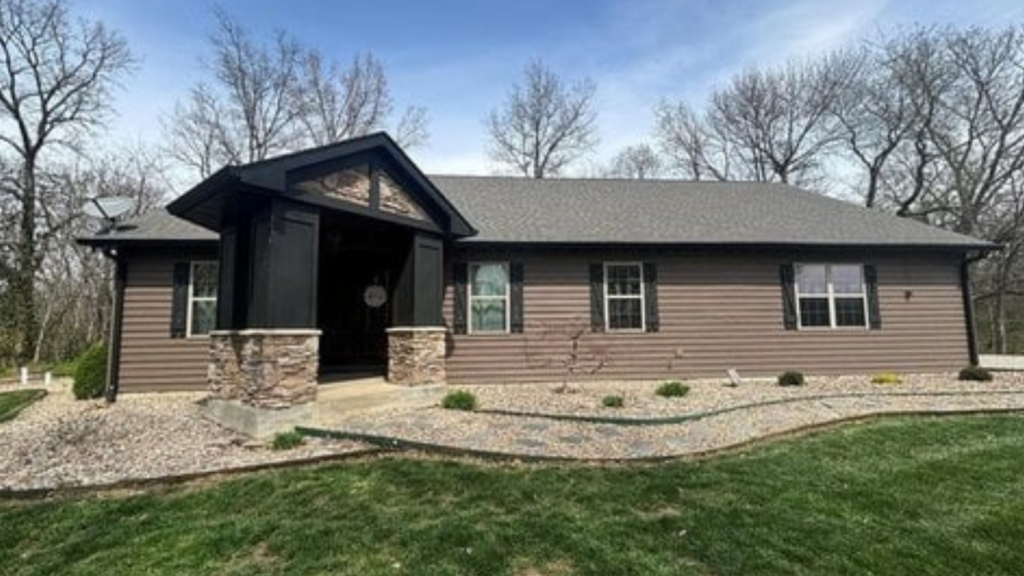
Storms can leave obvious destruction behind, such as fallen tree limbs, broken shingles, or damaged siding. However, not all storm-related problems are easy to spot right away. In many cases, homeowners may believe their property survived severe weather without major issues, only to discover expensive damage weeks or months later.
This is where understanding hidden storm damage becomes extremely important. Even when your roof and exterior appear normal from the ground, strong winds, hail, heavy rain, and debris can create underlying issues that slowly worsen over time.
For homeowners in Brighton, Illinois, storms are a regular part of the changing seasons. Knowing how to identify potential hidden storm damage can help protect your home, prevent costly repairs, and maintain the safety of your property.
What Is Hidden Storm Damage?
Hidden storm damage refers to roofing, structural, or exterior problems caused by severe weather that are not immediately visible after a storm. Unlike major destruction that can be seen right away, hidden damage often develops quietly behind shingles, under flashing, inside attics, or beneath siding materials.
Because these issues are harder to detect, homeowners may unknowingly allow damage to worsen over time.
Common causes of hidden storm damage include:
- High winds
- Hail impacts
- Heavy rain
- Flying debris
- Ice buildup
- Flash flooding
- Sudden temperature changes
Professional inspections are often necessary to uncover these concealed problems before they lead to larger structural concerns.
Why Hidden Storm Damage Is Dangerous
One of the biggest risks associated with hidden storm damage is delayed discovery. Small vulnerabilities may gradually allow moisture to enter the home, leading to mold growth, insulation problems, wood rot, and interior water damage.
What starts as a minor issue can eventually become a major repair project if left untreated.
Hidden damage can also:
- Reduce roof lifespan
- Weaken structural integrity
- Increase energy costs
- Create health concerns from mold
- Void roofing warranties
- Lead to insurance complications
For this reason, homeowners should never assume their roof is fully protected simply because no major damage is visible from the ground.
Hidden Roof Damage After Storms
Your roof is often the first part of the home impacted during severe weather. While some storm damage is easy to notice, many roofing problems remain hidden beneath the surface.
Lifted or Loosened Shingles
Strong winds can partially lift shingles without completely tearing them off. At first glance, the roof may appear normal, but loosened shingles can allow water infiltration during future rainstorms.
This type of hidden storm damage is especially common after wind events in Illinois.
Damaged Underlayment
The roofing underlayment acts as a moisture barrier beneath the shingles. Hail and debris impacts may damage this protective layer even when shingles appear mostly intact.
Over time, compromised underlayment can lead to leaks and interior moisture issues.
Flashing Separation
Flashing around chimneys, vents, skylights, and roof valleys may loosen during storms. Even small gaps can allow water intrusion that slowly damages surrounding materials.
Because flashing damage is difficult to see from the ground, it is one of the most overlooked forms of hidden storm damage.
Attic Problems Caused by Hidden Storm Damage
Sometimes storm-related damage appears inside the attic before becoming visible elsewhere in the home.
Signs homeowners should watch for include:
- Damp insulation
- Water stains
- Mold growth
- Musty odors
- Increased humidity
- Sunlight entering through roof boards
These warning signs often indicate roofing vulnerabilities that developed during recent storms.
Regular attic inspections can help identify hidden storm damage before leaks spread into ceilings and walls.
Hail Damage That May Not Be Obvious
Hailstorms can create serious roofing issues even when large holes or broken shingles are not visible.
Granule Loss
Asphalt shingles contain protective granules that shield the roof from UV rays and weather exposure. Hail impacts may loosen or remove these granules without creating immediate visible damage.
Over time, this weakens shingles and accelerates roof aging.
Bruising and Soft Spots
Hail can create bruised areas beneath shingles that are difficult for homeowners to detect. These weakened spots may eventually crack, split, or leak.
Professional roofers are trained to identify this type of hidden storm damage during inspections.
Water Damage Behind Siding
Storms can also impact siding systems and exterior walls.
Wind-driven rain may force moisture behind siding panels, leading to:
- Mold growth
- Rotting wood
- Insulation damage
- Interior wall staining
Even when siding appears undamaged from the outside, trapped moisture can create expensive structural issues over time.
This is another reason why hidden storm damage should never be ignored after severe weather.
Gutter and Drainage Problems
Gutters play a major role in protecting the home from water damage. After storms, gutter systems may develop subtle problems that homeowners overlook.
Potential hidden issues include:
- Loose fasteners
- Small separations
- Improper drainage slope
- Internal clogs
- Downspout displacement
Damaged drainage systems can allow water to pool near the foundation or overflow onto roofing materials.
Routine inspections help uncover this type of hidden storm damage before it causes additional problems.
Structural Damage From Fallen Debris
Tree branches and airborne debris can create hidden structural concerns even without obvious roof punctures.
Impact pressure may weaken:
- Roof decking
- Support beams
- Fascia boards
- Soffits
- Roof framing connections
While exterior materials may appear intact, the underlying structure could still be compromised.
Professional inspections are often necessary to evaluate these less visible forms of hidden storm damage.
Interior Warning Signs Homeowners Should Watch For
Sometimes the earliest signs of storm-related damage appear inside the home rather than outside.
Watch for:
- Ceiling stains
- Peeling paint
- Bubbling drywall
- Mold odors
- Drafts
- Rising utility bills
- Cracks near windows or ceilings
These symptoms may indicate moisture intrusion or ventilation issues caused by recent storms.
If any of these warning signs appear, scheduling a professional inspection is highly recommended.
Why Professional Inspections Matter
Many forms of hidden storm damage are difficult for homeowners to detect safely or accurately. Professional roofing contractors have the training, equipment, and experience needed to identify problems before they become severe.
Professional inspections may include:
- Roof surface evaluation
- Flashing inspection
- Moisture detection
- Attic assessment
- Structural review
- Gutter system evaluation
- Storm impact analysis
At All-Terior Construction, inspections are designed to uncover both visible and concealed storm-related issues to help homeowners protect their investment.
How Quickly Should Storm Damage Be Addressed?
Homeowners should schedule inspections as soon as possible after severe weather events. Waiting too long may allow moisture intrusion and structural weakening to worsen.
Quick action can help:
- Prevent larger repairs
- Reduce interior damage
- Support insurance claims
- Protect roofing lifespan
- Improve home safety
Even minor forms of hidden storm damage can grow into major expenses if left unresolved.
Preventing Long-Term Storm Damage
While storms cannot be prevented, homeowners can reduce risks by taking proactive steps.
Helpful maintenance practices include:
- Scheduling annual roof inspections
- Cleaning gutters regularly
- Trimming nearby tree branches
- Monitoring attic conditions
- Repairing minor roofing issues quickly
- Checking for leaks after storms
Routine maintenance helps homeowners catch small concerns before they turn into significant damage.
Final Thoughts on Hidden Storm Damage
Storms can affect your home in ways that are not always immediately obvious. While visible destruction often gets the most attention, hidden storm damage can quietly create long-term structural problems that worsen over time.
From loosened shingles and damaged flashing to attic moisture and weakened drainage systems, hidden damage should never be ignored. Early detection is one of the best ways to avoid expensive repairs and extend the life of your roof.
For homeowners in Brighton, Illinois, working with a trusted roofing contractor after severe weather provides peace of mind and professional protection. All-Terior Construction offers thorough inspections and reliable roofing services to help identify and address hidden storm damage before it leads to bigger issues.
