

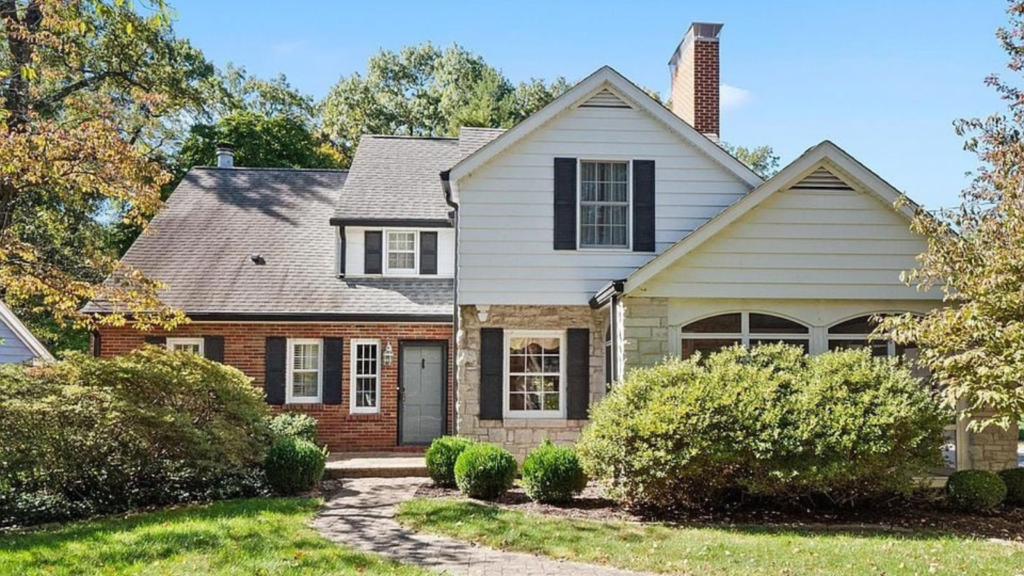
Your roof protects your home from rain, wind, snow, heat, and changing seasonal weather throughout the year. Because roofing systems constantly face environmental exposure, regular inspections are one of the most important parts of home maintenance.
Many homeowners wait until leaks or visible damage appear before calling a roofing contractor, but by that point, problems may already be more serious and expensive to repair. A professional inspection helps identify roofing concerns early, allowing homeowners to address small issues before they become major structural problems.
Understanding the professional roof inspection process can help homeowners feel more prepared, informed, and confident when scheduling roofing evaluations. Whether you are checking for storm damage, preparing to buy or sell a home, or maintaining an aging roof, inspections play a major role in protecting your investment.
Why Roof Inspections Are Important
Roof inspections help evaluate the overall condition of the roofing system and identify signs of damage, wear, or aging.
Routine inspections can help:
- Detect leaks early
- Identify storm damage
- Prevent structural problems
- Extend roof lifespan
- Improve energy efficiency
- Support insurance claims
- Protect property value
The professional roof inspection process provides homeowners with a detailed understanding of their roof’s condition so they can make informed maintenance and repair decisions.
When Homeowners Should Schedule Roof Inspections
There are several situations when professional roof inspections are especially important.
After Severe Storms
High winds, hail, and heavy rain can cause both visible and hidden roofing damage.
Before Buying or Selling a Home
Roof inspections provide valuable information during real estate transactions and help avoid unexpected repair surprises.
Annual Preventative Maintenance
Many roofing professionals recommend yearly inspections to catch small issues early.
When Roofs Are Aging
Older roofing systems are more vulnerable to leaks, material deterioration, and structural wear.
After Noticing Warning Signs
Signs such as ceiling stains, missing shingles, or rising energy bills may indicate roofing concerns that require professional evaluation.
Initial Inspection Preparation
Before the inspection begins, roofing professionals may ask homeowners a few questions about:
- Roof age
- Past repairs
- Leak history
- Storm exposure
- Ventilation concerns
- Interior water damage
This information helps inspectors better understand potential problem areas during the professional roof inspection process.
Homeowners generally do not need to make extensive preparations, although clearing access to attic areas can be helpful.
Exterior Roof Evaluation
The exterior assessment is one of the most important parts of the inspection.
Roofing professionals carefully examine the roof surface for signs of:
- Missing shingles
- Curling shingles
- Cracked shingles
- Granule loss
- Storm damage
- Ponding water
- Sagging sections
- Moss or algae growth
The goal of this stage in the professional roof inspection process is to identify visible surface-level concerns that may affect roofing performance.
Shingle Inspection
Shingles are closely inspected for signs of aging and weather damage.
Common concerns include:
- Loose shingles
- Broken shingles
- Wind damage
- Hail impacts
- UV deterioration
Damaged shingles can allow moisture intrusion and should be addressed promptly to avoid larger repair needs.
Flashing Inspection
Flashing protects vulnerable roof areas around:
- Chimneys
- Skylights
- Roof valleys
- Vents
- Plumbing penetrations
During the professional roof inspection process, flashing is checked for:
- Cracks
- Rust
- Separation
- Loose fasteners
- Missing sealant
Even small flashing issues can eventually lead to roof leaks.
Roof Valley Evaluation
Roof valleys direct water runoff toward gutters and drainage systems.
Because valleys handle large amounts of water, they are more prone to wear and moisture damage.
Inspectors look for:
- Shingle deterioration
- Debris buildup
- Flashing damage
- Water pooling
Roof valleys are often a key focus during inspections because they are common leak locations.
Gutter and Drainage Inspection
Gutters and downspouts play an important role in protecting both the roof and foundation.
During the professional roof inspection process, contractors evaluate:
- Gutter alignment
- Drainage flow
- Debris accumulation
- Sagging sections
- Water overflow signs
Poor drainage can contribute to roof deterioration, fascia damage, and moisture intrusion.
Roof Ventilation Assessment
Ventilation is critical for maintaining healthy roofing systems.
Improper ventilation may lead to:
- Excess attic heat
- Moisture buildup
- Mold growth
- Ice dams
- Premature shingle aging
Roof inspectors evaluate ventilation systems to ensure balanced airflow throughout the attic and roof structure.
This part of the professional roof inspection process is especially important in climates with seasonal weather changes like Brighton, Illinois.
Attic Inspection
In many cases, roofing contractors also inspect the attic to identify hidden signs of roofing problems.
Attic inspections may reveal:
- Water stains
- Mold growth
- Damp insulation
- Air leaks
- Structural concerns
- Ventilation issues
Attic conditions often provide important clues about the health of the roofing system.
Moisture and Leak Detection
Some roofing problems are not visible from the exterior.
Professional inspectors may look for:
- Soft spots
- Moisture intrusion
- Hidden leaks
- Water penetration around flashing
- Interior staining
The professional roof inspection process is designed to identify both visible and concealed issues before they worsen.
Structural Roof Evaluation
Inspectors also evaluate the structural condition of the roof.
This may include checking for:
- Sagging roof lines
- Weak decking
- Structural shifting
- Storm-related damage
- Excessive weight stress
Structural concerns can become serious safety risks if ignored.
Storm Damage Assessment
After severe weather, inspections often focus heavily on storm-related damage.
Roof inspectors may look for:
- Hail bruising
- Wind uplift
- Missing materials
- Debris impacts
- Hidden moisture intrusion
Storm damage inspections are a critical part of the professional roof inspection process because some issues may not be immediately visible to homeowners.
Identifying Signs of Aging
Roofs naturally deteriorate over time.
Inspectors evaluate:
- Material wear
- Granule loss
- Sealant breakdown
- Flashing deterioration
- General roof lifespan
This helps homeowners understand whether repairs or eventual replacement may be needed in the future.
Inspection Documentation
After completing the inspection, contractors typically provide a summary of findings.
Documentation may include:
- Photos
- Repair recommendations
- Maintenance suggestions
- Estimated roof condition
- Storm damage reports
This documentation helps homeowners make informed decisions about their roofing system.
The reporting stage is one of the most valuable parts of the professional roof inspection process because it provides a clear overview of current roof conditions.
Common Problems Found During Inspections
Some of the most common issues identified during roof inspections include:
- Missing shingles
- Flashing damage
- Roof leaks
- Ventilation problems
- Gutter drainage issues
- Storm damage
- Moisture intrusion
- Sagging roof areas
Early detection often prevents these problems from turning into larger structural repairs.
How Long Does a Roof Inspection Take?
Inspection time depends on:
- Roof size
- Roof complexity
- Weather conditions
- Accessibility
- Existing damage concerns
Most residential inspections are completed within one to two hours.
More detailed storm damage inspections may take longer depending on the condition of the roof.
Why Professional Inspections Matter
While some homeowners attempt to evaluate roofs themselves, professional inspections provide several advantages.
Professional roofing contractors have:
- Safety training
- Roofing expertise
- Damage detection experience
- Proper inspection equipment
- Knowledge of hidden roofing concerns
The professional roof inspection process helps identify issues homeowners may overlook from the ground.
Benefits of Routine Roof Inspections
Regular roof inspections provide long-term benefits such as:
- Reduced repair costs
- Early problem detection
- Longer roof lifespan
- Better energy efficiency
- Improved home protection
- Stronger property value
Preventative maintenance is often far less expensive than emergency roof repairs or premature roof replacement.
How Often Should Roofs Be Inspected?
Most roofing professionals recommend inspections:
- Once per year
- After major storms
- Before buying or selling a home
- When signs of leaks appear
- As roofs begin aging
Routine inspections help homeowners stay proactive about roof maintenance.
Questions Homeowners Should Ask
During the inspection, homeowners may want to ask:
- Is there storm damage?
- How much roof life remains?
- Are repairs needed immediately?
- Is ventilation adequate?
- Are there signs of hidden moisture?
- Are gutters functioning properly?
Understanding the results of the professional roof inspection process helps homeowners plan future maintenance more effectively.
Final Thoughts on the Professional Roof Inspection Process
Your roof protects nearly every part of your home, making regular inspections one of the most valuable forms of preventative maintenance. The professional roof inspection process helps identify roofing problems early, improve long-term performance, and reduce the risk of expensive structural damage.
From evaluating shingles and flashing to checking ventilation, gutters, and attic conditions, professional inspections provide homeowners with a complete understanding of their roof’s health.
For homeowners in Brighton, Illinois, seasonal weather changes can place significant stress on roofing systems throughout the year. Scheduling routine inspections with experienced professionals helps ensure your roof remains durable, efficient, and prepared for changing conditions.
