

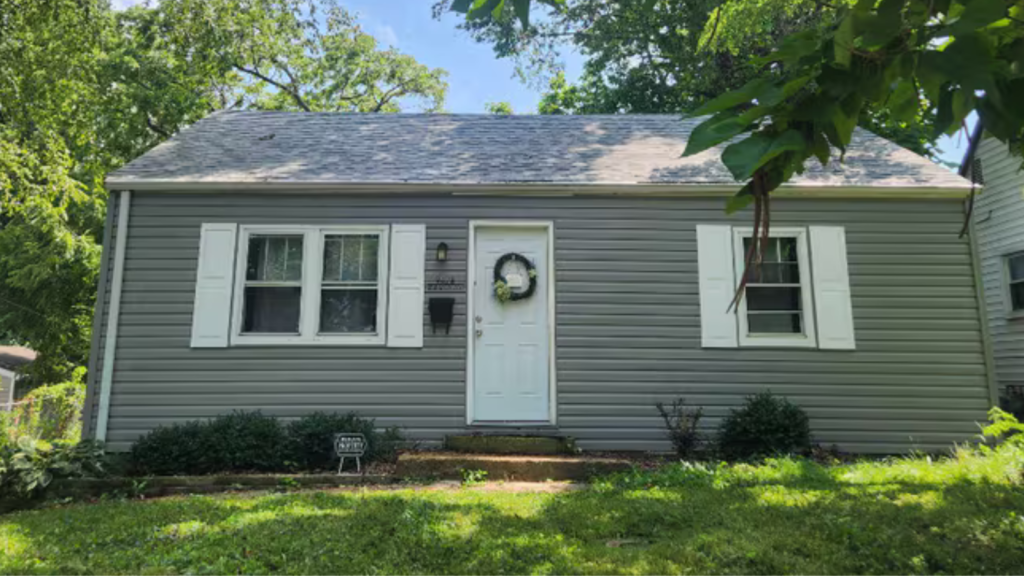
Illinois homeowners are no strangers to severe weather. Strong winds, hail, heavy rain, lightning, and sudden temperature changes can place enormous stress on residential roofing systems throughout storm season. While storms cannot be prevented, homeowners can take proactive steps to reduce damage risks and improve roof performance before severe weather arrives.
Taking time to properly prepare roof for storms can help prevent leaks, structural issues, costly repairs, and emergency roofing situations. Many roofing problems that become serious during storms often begin as small maintenance issues that could have been addressed earlier.
For homeowners in Brighton, Illinois, understanding how to protect your roof before storm season is an important part of long-term home maintenance. This guide explains the most effective ways to strengthen your roofing system and reduce storm-related damage risks.
Why Storm Preparation Matters
Your roof serves as the primary barrier between your home and outdoor weather conditions. During severe storms, roofing systems may face:
- High wind pressure
- Hail impacts
- Heavy rain
- Flying debris
- Water intrusion
- Flash flooding
- Sudden temperature shifts
Without proper preparation, even small roofing weaknesses can quickly worsen during severe weather events.
Learning how to properly prepare roof for storms helps homeowners:
- Reduce leak risks
- Prevent structural damage
- Improve roof lifespan
- Protect indoor belongings
- Minimize repair costs
- Improve home safety
Preventative maintenance is often far more affordable than major storm damage repairs.
Schedule a Professional Roof Inspection
One of the best ways to prepare roof for storms is by scheduling a professional roof inspection before severe weather season begins.
Professional roofing contractors can identify:
- Loose shingles
- Flashing damage
- Soft spots
- Ventilation concerns
- Gutter issues
- Hidden moisture damage
- Aging roofing materials
Many roofing vulnerabilities are difficult for homeowners to detect from the ground.
A professional inspection helps identify and address weak areas before storms place additional stress on the roofing system.
Check for Missing or Damaged Shingles
Shingles protect the roof from moisture intrusion and weather exposure. Damaged or missing shingles create vulnerable areas where water can enter the home.
Homeowners preparing for storm season should check for:
- Curling shingles
- Cracked shingles
- Loose shingles
- Missing shingles
- Granule loss
- Storm-related wear
Repairing damaged shingles is an important step when homeowners prepare roof for storms because exposed roof decking can quickly lead to leaks during heavy rain.
Inspect Roof Flashing
Flashing protects roof penetrations and vulnerable transition areas around:
- Chimneys
- Skylights
- Roof valleys
- Plumbing vents
- Roof edges
Damaged flashing is one of the most common causes of roof leaks during storms.
When homeowners prepare roof for storms, flashing should be inspected for:
- Rust
- Cracks
- Loose sections
- Missing sealant
- Separation gaps
Addressing flashing issues early helps improve water resistance during severe weather.
Clean Gutters and Downspouts
Gutters play a major role in protecting the roof and foundation during storms.
Clogged gutters may cause:
- Water overflow
- Roof edge damage
- Fascia deterioration
- Foundation moisture problems
- Ice dam risks
One important way to prepare roof for storms is by ensuring gutters and downspouts are free of leaves, sticks, and debris.
Proper drainage helps move rainwater safely away from the home during heavy storms.
Trim Nearby Tree Branches
Overhanging branches can become dangerous during storms.
Strong winds may cause branches to:
- Scrape roofing materials
- Break shingles
- Damage flashing
- Fall onto the roof
- Block gutters
Tree maintenance is an important step when homeowners prepare roof for storms because flying debris and falling limbs can cause major roofing damage.
Keeping trees trimmed reduces storm-related risks and improves overall roof protection.
Check Attic Ventilation
Attic ventilation plays a critical role in roof performance year-round.
Poor ventilation may contribute to:
- Moisture buildup
- Mold growth
- Heat accumulation
- Premature shingle aging
- Ice dam formation
As homeowners prepare roof for storms, attic ventilation should be evaluated to ensure balanced airflow and healthy moisture control.
Proper ventilation also helps roofing systems recover more effectively after severe weather exposure.
Inspect Attic for Moisture Problems
Attics often reveal hidden roofing concerns before visible leaks appear inside living spaces.
Signs homeowners should look for include:
- Water stains
- Damp insulation
- Mold odors
- Condensation
- Visible daylight through roof boards
Addressing moisture concerns early is an important part of how homeowners prepare roof for storms and reduce the risk of future water intrusion.
Reinforce Roof Vulnerabilities
Older roofs or previously damaged roofing systems may contain weak areas that are more vulnerable during storms.
Professional contractors may recommend reinforcing:
- Roof edges
- Flashing systems
- Ridge caps
- Fasteners
- Vent covers
- Underlayment
Reinforcement helps improve storm resistance and may reduce the likelihood of severe damage during high winds.
Secure Loose Exterior Items
While not directly part of the roof itself, loose outdoor objects can become airborne during storms and damage roofing materials.
Homeowners should secure:
- Patio furniture
- Grills
- Decorations
- Lawn equipment
- Trash containers
Taking these precautions helps further prepare roof for storms by reducing debris-related impact risks.
Understand Hail Damage Risks
Illinois storms often include hail, which can cause both visible and hidden roof damage.
Hail may lead to:
- Shingle bruising
- Granule loss
- Cracked shingles
- Damaged flashing
- Weakened roofing materials
Even if hail damage is not immediately visible, roofing systems may still be compromised.
Scheduling inspections after hailstorms is another important way homeowners can continue to prepare roof for storms throughout the season.
Review Roof Age and Condition
Older roofing systems are naturally more vulnerable during severe weather.
As roofs age, materials may become:
- Brittle
- Loose
- Worn
- Less water-resistant
If a roof is nearing the end of its lifespan, storm season may place additional stress on already weakened materials.
Understanding overall roof condition helps homeowners better prepare roof for storms and plan future repairs or replacement if needed.
Check for Interior Warning Signs
Sometimes roof vulnerabilities appear inside the home before exterior damage becomes obvious.
Warning signs may include:
- Ceiling stains
- Bubbling paint
- Peeling drywall
- Drafts
- Mold odors
These issues may indicate existing moisture intrusion that could worsen during severe weather.
Addressing these concerns before storm season is an important preventative step.
Consider Impact-Resistant Roofing Materials
For homeowners planning roof replacement, impact-resistant materials may provide better storm protection.
Some roofing products are specifically designed to withstand:
- Hail impacts
- Wind uplift
- Flying debris
- Heavy rain exposure
Upgrading roofing materials can improve long-term durability and help homeowners better prepare roof for storms in future seasons.
Understand Insurance Documentation
Storm preparation also includes understanding insurance requirements.
Before storm season, homeowners should:
- Review insurance coverage
- Document roof condition with photos
- Keep maintenance records
- Save inspection reports
Having documentation ready may simplify insurance claims if storm damage occurs later.
What to Do After a Storm
Even after taking preventative measures, homeowners should inspect the property after severe weather.
Look for:
- Missing shingles
- Debris buildup
- Bent flashing
- Gutter damage
- Interior leaks
- Fallen branches
Quick inspections help identify damage early before additional rain or storms worsen the problem.
Professional evaluations are often recommended after major storms, even if no obvious damage appears immediately.
Benefits of Preventative Roof Maintenance
Preventative roof care provides several long-term advantages.
Homeowners who consistently prepare roof for storms often experience:
- Fewer emergency repairs
- Lower long-term maintenance costs
- Improved roof lifespan
- Better home protection
- Reduced leak risks
- Stronger storm resistance
Routine maintenance helps roofing systems remain durable throughout changing Illinois weather conditions.
Why Professional Roofing Support Matters
Storm preparation often requires more than simple visual checks.
Professional roofing contractors provide:
- Safety expertise
- Accurate damage assessment
- Preventative recommendations
- Storm-resistant repair solutions
- Detailed inspections
Working with experienced roofing professionals helps homeowners identify hidden vulnerabilities before severe weather arrives.
Final Thoughts on How to Prepare Roof for Storms
Illinois storm season can place enormous stress on residential roofing systems. High winds, hail, heavy rain, and flying debris all create risks that can lead to costly roof damage if homes are not properly prepared.
Taking proactive steps to prepare roof for storms helps homeowners reduce vulnerabilities, strengthen roof performance, and protect their property throughout severe weather season. From inspections and gutter cleaning to flashing repairs and attic ventilation checks, preventative maintenance plays a major role in long-term roofing protection.
For homeowners in Brighton, Illinois, working with trusted roofing professionals can provide peace of mind before storm season begins. At All-Terior Construction, homeowners receive professional inspections, preventative maintenance, and reliable roofing solutions designed to help roofs withstand changing weather conditions year-round.
