

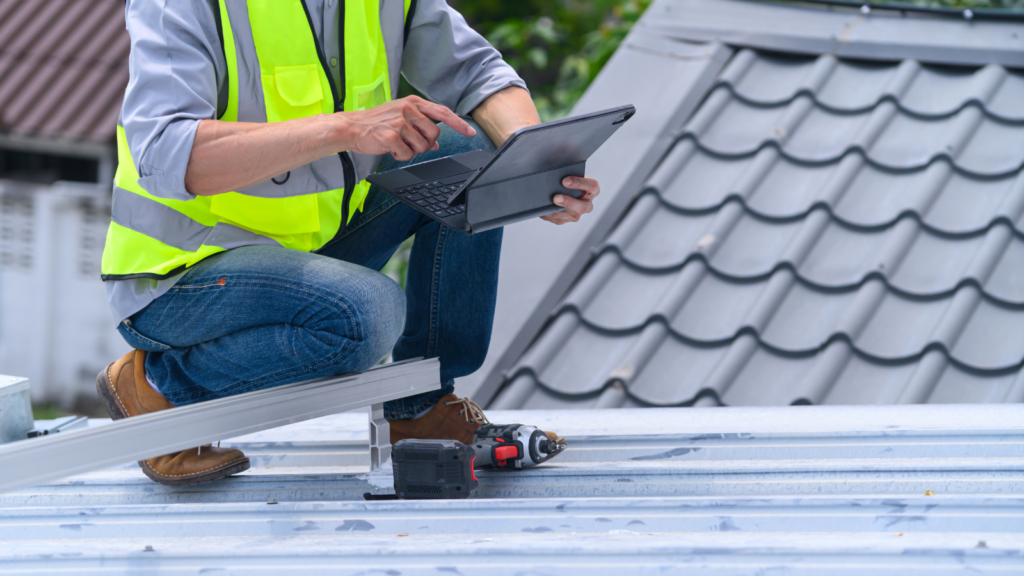
Your roof protects your home from rain, wind, hail, snow, and the changing weather conditions that Illinois homeowners experience throughout the year. While regular roof inspections have always been an essential part of home maintenance, today’s inspections are more accurate, efficient, and detailed than ever before thanks to advancements in roof inspection technology.
Modern roofing professionals no longer rely solely on visual observations from a ladder. Innovative tools such as drones, infrared imaging, moisture detection equipment, and digital reporting software provide a comprehensive view of a roof’s condition while improving safety and accuracy.
Why Roof Inspections Matter
Every roof experiences wear over time due to exposure to the elements. Illinois weather brings everything from heavy spring rains and summer storms to strong winds, hail, snow, and freezing temperatures. These conditions can gradually damage roofing materials without obvious signs from the ground.
Routine inspections help identify issues such as:
- Missing shingles
- Damaged flashing
- Roof leaks
- Moisture intrusion
- Storm damage
- Poor ventilation
- Aging materials
Modern roof inspection technology allows roofing professionals to detect these problems earlier than ever before.
How Roof Inspections Have Changed
Years ago, roof inspections typically involved climbing onto the roof with a ladder and performing a visual assessment.
While visual inspections remain important, today’s roofing professionals use advanced equipment to gather additional information that may not be visible to the naked eye.
Modern roof inspection technology helps inspectors:
- Improve accuracy
- Increase safety
- Document findings
- Detect hidden problems
- Create detailed reports
- Monitor roof conditions over time
These improvements help homeowners make better-informed decisions.
Drone Roof Inspections
One of the biggest innovations in roof inspection technology is the use of drones.
Equipped with high-resolution cameras, drones allow roofing professionals to safely inspect roofs without walking across every surface.
Drone inspections provide:
- Detailed aerial images
- Close-up photographs
- Multiple viewing angles
- Hard-to-reach access
- Improved safety
- Faster inspections
Drones are especially useful for steep roofs, multi-story homes, or areas that may be unsafe to access directly.
High-Resolution Photography
Modern roof inspections often include detailed digital photography.
High-resolution images allow inspectors to document:
- Cracked shingles
- Flashing damage
- Roof penetrations
- Storm damage
- Granule loss
- Gutter conditions
These photographs provide homeowners with clear visual evidence of any roofing concerns.
Digital images also make it easier to compare roof conditions during future inspections.
Infrared Thermal Imaging
Infrared cameras have become one of the most valuable tools in roof inspection technology.
Rather than capturing visible light, thermal cameras detect heat differences across roofing surfaces.
This helps inspectors identify:
- Hidden moisture
- Wet insulation
- Air leaks
- Heat loss
- Poor ventilation
Water trapped beneath roofing materials often changes temperature differently than surrounding dry areas, making thermal imaging an effective diagnostic tool.
Moisture Detection Equipment
Water damage isn’t always visible.
Specialized moisture meters measure moisture levels within roofing materials, decking, and insulation.
Using this roof inspection technology, inspectors can identify hidden water intrusion before it leads to:
- Mold growth
- Rotting wood
- Structural damage
- Interior leaks
Early detection often reduces repair costs.
Digital Roof Measurements
Accurate measurements are essential for roof repairs and replacements.
Today’s roofing professionals use digital measuring software that combines aerial imagery with advanced mapping tools.
Benefits include:
- Precise roof dimensions
- Accurate material estimates
- Faster project planning
- Reduced waste
- More reliable pricing
Digital measurements improve efficiency while minimizing errors.
Satellite Roof Imaging
In some situations, inspectors use satellite imagery to gather preliminary information before visiting a property.
Satellite-based roof inspection technology helps estimate:
- Roof size
- Roof pitch
- Overall layout
- Surface area
Although satellite images do not replace an on-site inspection, they support planning and estimating.
Digital Inspection Reports
Gone are the days of handwritten inspection notes.
Modern roofing companies provide digital inspection reports containing:
- Photographs
- Inspection summaries
- Recommended repairs
- Maintenance suggestions
- Areas of concern
These reports help homeowners clearly understand their roof’s condition.
Digital documentation also creates a useful record for future maintenance.
Improved Safety
One of the greatest advantages of modern roof inspection technology is improved safety.
Technology reduces unnecessary time spent walking on roofs while still allowing inspectors to perform detailed evaluations.
This benefits both:
- Roofing professionals
- Homeowners
Safer inspections also reduce the risk of accidental roof damage caused by excessive foot traffic.
Detecting Storm Damage
Illinois weather can be unpredictable.
Following severe storms, advanced inspection tools help identify:
- Hail impacts
- Wind damage
- Lifted shingles
- Flashing damage
- Hidden leaks
Modern roof inspection technology makes documenting storm damage easier, which may also assist homeowners during insurance claims.
Identifying Ventilation Problems
Attic ventilation plays a major role in roof performance.
Professional inspections evaluate ventilation systems using visual assessments and thermal imaging.
Poor ventilation may contribute to:
- Excess attic heat
- Condensation
- Mold
- Ice dams
- Premature shingle aging
Technology helps inspectors detect these issues before significant damage occurs.
Monitoring Roof Aging
Every roofing system ages over time.
Digital inspection records allow roofing contractors to compare previous inspections with current roof conditions.
This helps monitor:
- Shingle wear
- Granule loss
- Material deterioration
- Structural movement
Tracking changes over time allows homeowners to plan future maintenance more effectively.
Benefits for Homeowners
Investing in regular inspections using modern roof inspection technology offers numerous advantages.
These include:
Earlier Problem Detection
Small issues are identified before they become major repairs.
Better Documentation
Detailed photographs and reports provide valuable records.
Improved Accuracy
Advanced equipment reduces guesswork during inspections.
Greater Peace of Mind
Homeowners gain confidence knowing their roof has been thoroughly evaluated.
Long-Term Savings
Preventive maintenance often costs significantly less than emergency repairs.
Roof Inspections Before Buying a Home
If you’re purchasing a home, a professional roof inspection is highly recommended.
Modern roof inspection technology helps identify concerns that may not be obvious during a standard home showing.
Buyers gain valuable information about:
- Roof condition
- Remaining lifespan
- Existing damage
- Repair needs
- Maintenance recommendations
This knowledge supports more informed purchasing decisions.
Roof Inspections After Severe Weather
After hailstorms or strong winds, homeowners should schedule an inspection even if no obvious damage is visible.
Technology allows inspectors to identify:
- Hidden hail bruising
- Lifted shingles
- Moisture intrusion
- Structural concerns
Prompt inspections reduce the risk of long-term damage.
How Often Should Roofs Be Inspected?
Most homeowners should schedule inspections:
- Every spring
- Every fall
- After major storms
- Before selling a home
- Before purchasing a home
Routine inspections using advanced roof inspection technology help maintain your roof throughout every season.
Maintaining Your Roof Between Inspections
Technology supports inspections, but homeowners also play an important role in roof maintenance.
Simple steps include:
- Cleaning gutters
- Trimming tree branches
- Removing roof debris
- Checking ceilings for stains
- Monitoring attic ventilation
- Looking for missing shingles after storms
These habits complement professional inspections.
Choosing a Roofing Contractor
Not every roofing company uses advanced inspection equipment.
When selecting a contractor, ask whether they provide:
- Comprehensive inspections
- Digital reports
- High-resolution photography
- Drone imaging when appropriate
- Moisture detection
- Honest recommendations
- Experienced roofing professionals
A contractor using modern roof inspection technology often provides a more thorough evaluation.
Why Choose All-Terior Construction?
At All-Terior Construction, we combine experienced craftsmanship with today’s advanced inspection methods to provide homeowners throughout Brighton, Illinois, with dependable roofing evaluations. Our goal is to identify roofing concerns accurately, explain our findings clearly, and recommend practical solutions that protect your home for years to come.
Whether you need a routine inspection, storm damage assessment, roof repair, or complete roof replacement, our team is committed to delivering quality workmanship and exceptional customer service. By incorporating modern roof inspection technology into our process, we help homeowners make informed decisions with confidence.
Final Thoughts
Roof inspections have evolved significantly in recent years. Today’s advanced tools allow roofing professionals to evaluate roofs more safely, accurately, and efficiently than ever before. From drones and thermal imaging to digital reports and moisture detection equipment, modern roof inspection technology provides homeowners with a clearer understanding of their roof’s condition.
For homeowners in Brighton, Illinois, regular inspections remain one of the best ways to protect their investment. Early detection of roofing problems helps prevent costly repairs, extends roof lifespan, and ensures your home stays protected through every season.
If it’s been a while since your last roof inspection or you’ve recently experienced severe weather, now is an excellent time to schedule a professional evaluation. All-Terior Construction is proud to provide comprehensive inspections using proven techniques and modern roof inspection technology to help homeowners maintain safe, reliable, and long-lasting roofing systems. With proactive care and expert guidance, your roof can continue protecting your home for many years to come.
