

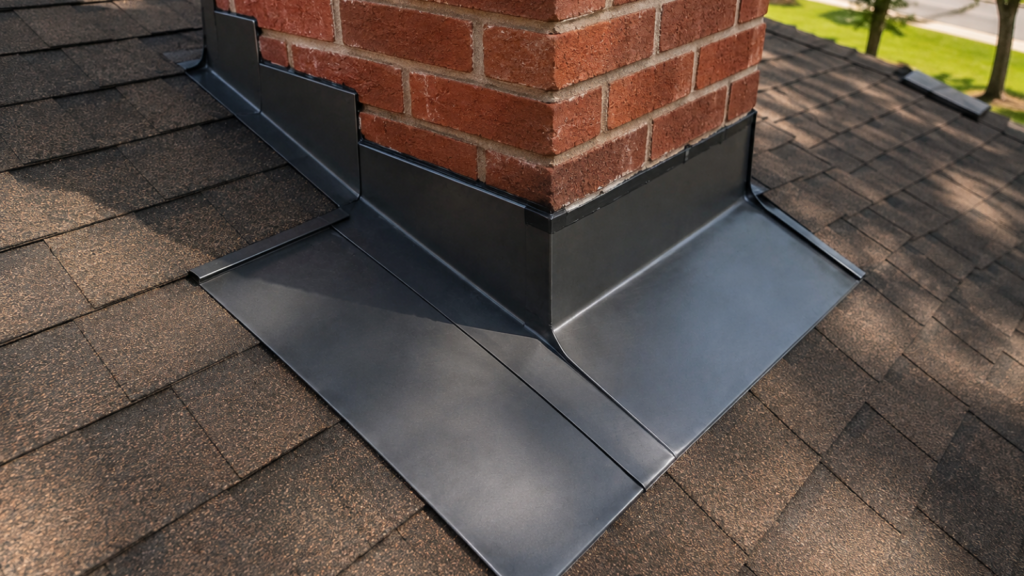
Your roof is made up of many components working together to keep your home dry and protected. While shingles often receive the most attention, one of the most important elements of any roofing system is the flashing. Roof flashing seals vulnerable areas where water is most likely to enter, such as around chimneys, vents, skylights, and roof valleys. When flashing becomes damaged or deteriorates over time, even a small problem can lead to significant water damage.
At All-Terior Construction, we help homeowners throughout Brighton, Illinois, protect their homes with professional roofing services and dependable repairs. Understanding the importance of roof flashing repair can help you prevent leaks, extend the life of your roof, and avoid expensive structural damage.
What Is Roof Flashing?
Roof flashing is a thin material—typically made from galvanized steel, aluminum, or copper—that directs water away from joints, seams, and roof penetrations. It acts as a waterproof barrier in areas where shingles alone cannot fully protect the roof.
Flashing is commonly installed around:
- Chimneys
- Plumbing vents
- Skylights
- Roof valleys
- Dormers
- Wall intersections
- Roof edges
Without properly functioning flashing, water can easily penetrate your roofing system and damage the structure beneath.
Why Roof Flashing Is So Important
While shingles protect the majority of your roof, flashing protects its weakest points.
Professional roof flashing repair helps:
- Prevent roof leaks
- Protect roof decking
- Reduce moisture intrusion
- Prevent mold and mildew
- Extend roof lifespan
- Protect attic insulation
- Prevent interior water damage
Even minor flashing issues can eventually lead to costly repairs if ignored.
Common Causes of Flashing Damage
Flashing is designed to last for many years, but Illinois weather can gradually wear it down.
Common causes include:
Aging Materials
Over time, flashing may begin to:
- Rust
- Corrode
- Separate from roofing materials
- Develop cracks
Routine roof flashing repair helps restore these vulnerable areas before leaks develop.
Severe Weather
Illinois experiences:
- High winds
- Heavy rain
- Snow
- Ice
- Hail
- Rapid temperature changes
These weather conditions can loosen flashing or damage sealants that keep it watertight.
Improper Installation
Incorrect flashing installation is one of the leading causes of roof leaks.
Poor workmanship may result in:
- Loose flashing
- Gaps between materials
- Improper overlaps
- Inadequate sealing
Professional installation and roof flashing repair ensure these critical areas remain protected.
Areas Most Vulnerable to Flashing Problems
Certain parts of your roof experience more water exposure than others.
Chimney Flashing
Chimneys create one of the largest roof penetrations.
Flashing around chimneys includes:
- Step flashing
- Counter flashing
- Apron flashing
If any section becomes damaged, water can enter around the chimney and leak into the attic.
Roof Valleys
Roof valleys collect large amounts of rainwater.
Damaged flashing in valleys often results in:
- Water pooling
- Shingle deterioration
- Roof leaks
Proper roof flashing repair helps direct water safely off the roof.
Skylights
Although skylights add natural light, they also require carefully installed flashing.
Common problems include:
- Cracked sealant
- Loose flashing
- Water infiltration
- Interior staining
Routine inspections help catch these issues early.
Plumbing Vents
Vent pipes require rubber boots and metal flashing to remain watertight.
Over time, UV exposure may cause the rubber components to crack, allowing moisture to enter the roof system.
Signs Your Roof Flashing Needs Repair
Many flashing problems develop gradually.
Watch for these warning signs:
- Water stains on ceilings
- Damp attic insulation
- Missing flashing pieces
- Rusted metal
- Loose flashing
- Cracked sealant
- Mold growth
- Leaks during heavy rain
If you notice any of these issues, schedule a professional roof flashing repair inspection promptly.
Interior Signs of Flashing Failure
Sometimes the first warning appears inside your home.
Common indicators include:
- Ceiling discoloration
- Peeling paint
- Bubbling drywall
- Musty odors
- Visible mold
- Water dripping after storms
These symptoms often indicate flashing failure rather than damaged shingles alone.
Why Small Flashing Problems Become Big Repairs
A tiny opening around flashing may seem insignificant, but water rarely stays in one place.
Moisture can damage:
- Roof decking
- Insulation
- Rafters
- Drywall
- Flooring
- Interior trim
Timely roof flashing repair helps prevent extensive structural damage.
Can Flashing Be Repaired Instead of Replaced?
In many cases, yes.
Professional roofing contractors may:
- Reseal flashing
- Replace damaged sections
- Secure loose flashing
- Install new fasteners
- Replace deteriorated vent boots
The appropriate solution depends on the flashing’s condition.
When Flashing Replacement Is Necessary
Complete replacement may be recommended if flashing is:
- Severely rusted
- Bent beyond repair
- Missing
- Improperly installed
- Extensively damaged by storms
Replacing flashing during roof replacement often provides the best long-term protection.
Seasonal Roof Flashing Inspections
Flashing should be inspected throughout the year.
Spring
Check for winter storm damage.
Summer
Inspect after severe thunderstorms.
Fall
Prepare flashing before freezing temperatures arrive.
Winter
Watch for ice dam-related moisture issues.
Routine inspections reduce the need for major roof flashing repair later.
Preventative Maintenance Tips
Homeowners can help protect flashing by:
- Cleaning gutters regularly
- Removing roof debris
- Trimming overhanging branches
- Scheduling annual roof inspections
- Repairing minor roof damage promptly
Preventative maintenance extends the life of both flashing and roofing materials.
The Role of Professional Roof Inspections
Many flashing issues are difficult to see from the ground.
Professional roof inspections include evaluation of:
- Chimney flashing
- Valley flashing
- Step flashing
- Counter flashing
- Vent flashing
- Skylight flashing
- Sealants
- Roof penetrations
Regular inspections help identify areas needing roof flashing repair before water damage occurs.
Why Illinois Weather Makes Flashing So Important
Illinois homeowners experience a variety of weather conditions throughout the year.
Heavy rainfall, snow accumulation, freezing temperatures, and summer heat all place additional stress on roof flashing.
Professional roof flashing repair ensures these vulnerable areas remain protected despite changing weather conditions.
Why Homeowners Trust All-Terior Construction
At All-Terior Construction, we understand that protecting your roof requires attention to every detail—not just the shingles. Our experienced team provides professional flashing inspections, repairs, and complete roofing services for homeowners throughout Brighton and the surrounding Illinois communities.
Whether you’re dealing with an active roof leak or simply want the peace of mind that comes from a professional inspection, we deliver dependable workmanship using quality materials designed to stand up to Illinois weather.
Our roofing services include:
- Roof inspections
- Roof flashing repair
- Storm damage assessments
- Roof leak repairs
- Roof replacements
- Preventative roof maintenance
Final Thoughts
Roof flashing may be one of the smallest components of your roofing system, but it plays one of the biggest roles in protecting your home from water damage. Properly maintained flashing keeps vulnerable roof areas sealed, helping prevent leaks, mold growth, and expensive structural repairs.
By scheduling regular inspections and investing in timely roof flashing repair, Illinois homeowners can extend the life of their roofing system while protecting their home’s value and comfort.
