

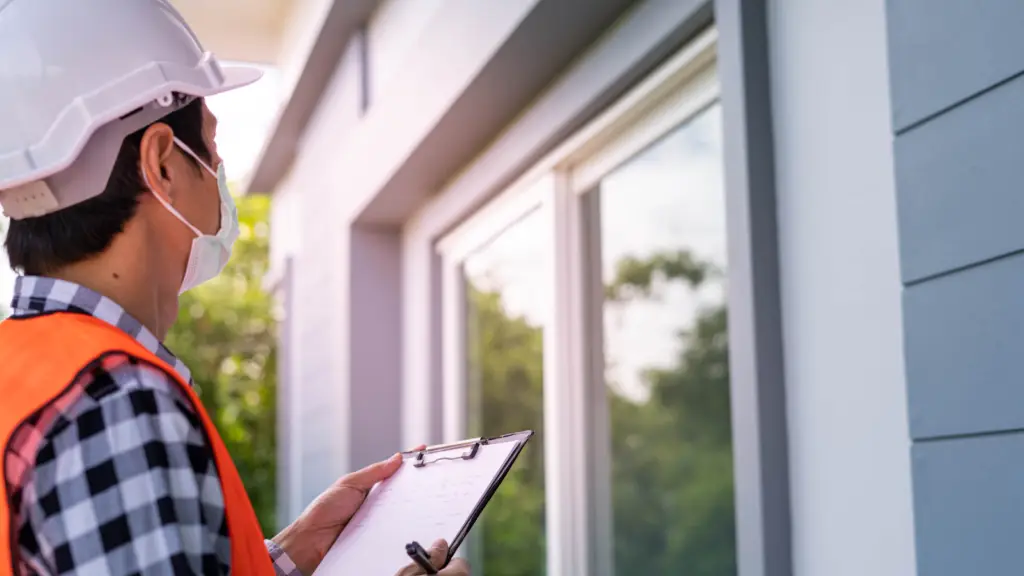

Your roof is your home’s first line of defense against the changing weather conditions that Illinois homeowners experience throughout the year. From heavy rain and hailstorms to strong winds, snow, and freezing temperatures, your roofing system endures constant exposure to the elements. While many roofing issues develop gradually, they often go unnoticed until they cause leaks or structural damage.
That’s why routine roof inspections are one of the most valuable investments homeowners can make. Professional inspections help identify problems early, allowing repairs to be completed before they become expensive replacements. Understanding common Illinois roof inspection findings can also help homeowners recognize warning signs and better maintain their roofing systems.
Why Roof Inspections Are Important
Roofs naturally wear over time, even when built with high-quality materials. Regular inspections help identify damage caused by weather, aging, poor ventilation, and normal wear before these issues become serious.
Many common Illinois roof inspection findings are relatively inexpensive to repair when caught early. Delaying repairs, however, may allow moisture to enter the home and damage insulation, drywall, framing, and personal belongings.
Routine inspections help homeowners:
- Prevent costly repairs
- Extend roof lifespan
- Improve energy efficiency
- Protect home value
- Identify storm damage
- Maintain warranty compliance
Professional inspections provide peace of mind throughout every season.
Missing or Damaged Shingles
One of the most common Illinois roof inspection findings involves missing or damaged shingles.
High winds, hail, and aging materials can cause shingles to:
- Crack
- Curl
- Lift
- Tear
- Blow off completely
Missing shingles expose the roofing system to water infiltration, increasing the risk of leaks and structural damage.
Replacing damaged shingles promptly helps preserve the roof’s integrity.
Granule Loss
Asphalt shingles are coated with protective granules that shield the roofing material from ultraviolet rays and harsh weather.
During inspections, roofing professionals often check for excessive granule loss.
Signs include:
- Bare spots on shingles
- Granules collecting in gutters
- Uneven roof coloration
Granule loss is one of the more common Illinois roof inspection findings on older roofs and may indicate the roofing system is nearing the end of its service life.
Damaged Flashing
Flashing is installed around roof penetrations to prevent water from entering vulnerable areas.
Inspectors carefully examine flashing around:
- Chimneys
- Skylights
- Roof vents
- Plumbing vents
- Dormers
- Valleys
Cracked, loose, or rusted flashing frequently appears among Illinois roof inspection findings, especially on aging roofs.
Damaged flashing should be repaired promptly to prevent leaks.
Roof Leaks
Some roof leaks are obvious, while others remain hidden for months.
Professional inspections often reveal signs such as:
- Water stains
- Damp insulation
- Mold growth
- Soft roof decking
- Interior ceiling discoloration
Finding and repairing leaks early helps prevent extensive water damage.
Poor Attic Ventilation
Roof inspections often extend into the attic.
Proper attic ventilation helps regulate:
- Temperature
- Moisture
- Airflow
Poor ventilation can contribute to:
- Mold growth
- Condensation
- Ice dams
- Shingle deterioration
- Increased energy costs
Ventilation problems are among the most overlooked Illinois roof inspection findings, yet they significantly affect roof performance.
Ice Dam Damage
Illinois winters frequently produce snow and freezing temperatures.
Ice dams occur when melting snow refreezes near roof edges, preventing proper drainage.
Inspectors may identify:
- Water stains
- Damaged shingles
- Wet insulation
- Rotting roof decking
Ice dam damage is a seasonal but common issue for Illinois homeowners.
Clogged Gutters
Roofing systems rely on properly functioning gutters to direct water away from the home.
Inspectors often find:
- Leaves
- Twigs
- Granules
- Dirt buildup
Clogged gutters can lead to overflowing water that damages:
- Roof edges
- Fascia boards
- Siding
- Foundations
Keeping gutters clean reduces many common Illinois roof inspection findings.
Damaged Roof Valleys
Roof valleys channel large amounts of rainwater toward gutters.
Because they handle significant water flow, valleys are especially vulnerable to wear.
Inspectors check for:
- Cracked shingles
- Worn flashing
- Debris buildup
- Improper drainage
Maintaining roof valleys helps prevent leaks during heavy rainfall.
Loose or Missing Ridge Caps
Ridge caps protect the highest point of the roof where slopes meet.
Wind damage and aging may cause ridge caps to:
- Crack
- Lift
- Separate
- Blow away
These issues commonly appear during professional inspections.
Nail Pops
Temperature fluctuations cause roofing materials to expand and contract.
Over time, roofing nails may work their way upward through the shingles.
Inspectors identify nail pops because they can:
- Create leaks
- Lift shingles
- Allow moisture intrusion
Repairing nail pops helps preserve roof performance.
Soft Roof Decking
Roof inspectors carefully evaluate the structural decking beneath roofing materials.
Soft spots may indicate:
- Long-term moisture exposure
- Rot
- Water infiltration
- Structural deterioration
Soft decking often requires repair before new roofing materials can be installed.
Storm Damage
Illinois storms, including those that move through Belleville and St. Clair County, produce:
- Hail
- Heavy rain
- Strong winds
- Falling tree limbs
Storm-related Illinois roof inspection findings commonly include:
- Missing shingles
- Hail bruising
- Torn flashing
- Broken vents
- Debris damage
Scheduling inspections after severe weather helps identify hidden damage before it worsens.
Hail Damage
Hail impacts may not always create immediate leaks.
Instead, inspectors look for:
- Granule displacement
- Bruising
- Cracks
- Soft impact marks
Even small hailstones can shorten roof lifespan over time.
Tree Damage
Overhanging branches create several roofing concerns.
Inspectors may find:
- Scratched shingles
- Broken branches
- Moss growth
- Excess debris
Trimming nearby trees helps reduce future roof damage.
Moss and Algae Growth
Shaded roofs often develop:
- Moss
- Algae
- Lichen
Although primarily cosmetic at first, heavy moss growth may trap moisture against roofing materials.
Professional roof cleaning may be recommended when necessary.
Improper Roof Repairs
Previous repair work isn’t always completed correctly.
Inspectors sometimes uncover:
- Improper flashing
- Mismatched shingles
- Excess roofing cement
- Exposed fasteners
- Poor sealing
Correcting these deficiencies helps improve long-term roof performance.
Skylight Issues
Skylights require careful flashing installation.
Inspectors check for:
- Water intrusion
- Condensation
- Damaged seals
- Cracked flashing
Proper skylight maintenance helps prevent interior water damage.
Chimney Problems
Chimneys create several potential leak points.
Roof inspections often identify:
- Damaged flashing
- Mortar deterioration
- Loose bricks
- Sealant failure
Maintaining chimney flashing is essential for waterproofing.
Roof Vent Damage
Roof vents help regulate attic airflow.
Common Illinois roof inspection findings involving vents include:
- Broken vent covers
- Cracked pipe boots
- Loose fasteners
- Animal damage
Proper vent maintenance supports healthy attic ventilation.
Signs of Aging
Every roof eventually reaches the end of its service life.
Inspectors evaluate overall aging by examining:
- Shingle flexibility
- Granule retention
- Curling
- Cracking
- Overall appearance
Aging roofs may require increased maintenance or replacement planning.
Interior Warning Signs
Some roofing problems become visible inside the home.
Homeowners should watch for:
- Ceiling stains
- Peeling paint
- Musty odors
- Mold
- Wet insulation
These symptoms often appear alongside common Illinois roof inspection findings.
What Happens During a Professional Roof Inspection?
At All-Terior Construction, our inspections include a detailed evaluation of your roofing system.
We examine:
- Shingles
- Flashing
- Gutters
- Ridge caps
- Roof valleys
- Chimneys
- Skylights
- Roof vents
- Attic ventilation
- Roof decking
Following the inspection, we provide honest recommendations for maintenance or repairs.
How Often Should Roofs Be Inspected?
Most homeowners should schedule inspections:
- Every spring
- Every fall
- After severe storms
- Before buying or selling a home
- Before major roofing projects
Routine inspections reduce the likelihood of costly surprises.
Roof Maintenance Tips
Homeowners can reduce common Illinois roof inspection findings by:
- Cleaning gutters regularly
- Trimming overhanging branches
- Removing roof debris
- Monitoring attic ventilation
- Checking ceilings for stains
- Scheduling routine inspections
Preventive maintenance extends roof lifespan and protects your investment.
Why Choose All-Terior Construction?
At All-Terior Construction, we understand the unique challenges Illinois weather places on residential roofing systems. Our experienced team provides thorough inspections, honest assessments, and dependable roofing services that help homeowners make informed decisions about their homes.
Whether your roof requires routine maintenance, repairs, or replacement, we’re committed to delivering quality workmanship and exceptional customer service. Our goal is to identify problems early, recommend practical solutions, and help homeowners protect one of their most valuable investments.
Final Thoughts
Your roof quietly protects your home every day, but small problems can develop long before they become visible from the ground. Professional inspections are one of the best ways to catch these issues early and prevent costly damage.
Understanding common Illinois roof inspection findings helps homeowners recognize why routine evaluations are so important. From damaged shingles and flashing to ventilation concerns, gutter issues, and storm damage, addressing these problems promptly helps extend the life of your roofing system while protecting your home’s structure and value.
For homeowners in Brighton, Illinois, scheduling regular roof inspections is a smart investment in long-term home maintenance. With experienced professionals identifying potential concerns before they become emergencies, you can enjoy greater peace of mind throughout every season.
If you’re ready to schedule a professional roof inspection, All-Terior Construction is here to help. Our knowledgeable team provides thorough evaluations, honest recommendations, and dependable roofing solutions tailored to the needs of Illinois homeowners. By staying proactive with routine inspections and timely maintenance, you’ll keep your roof performing at its best for years to come.
