

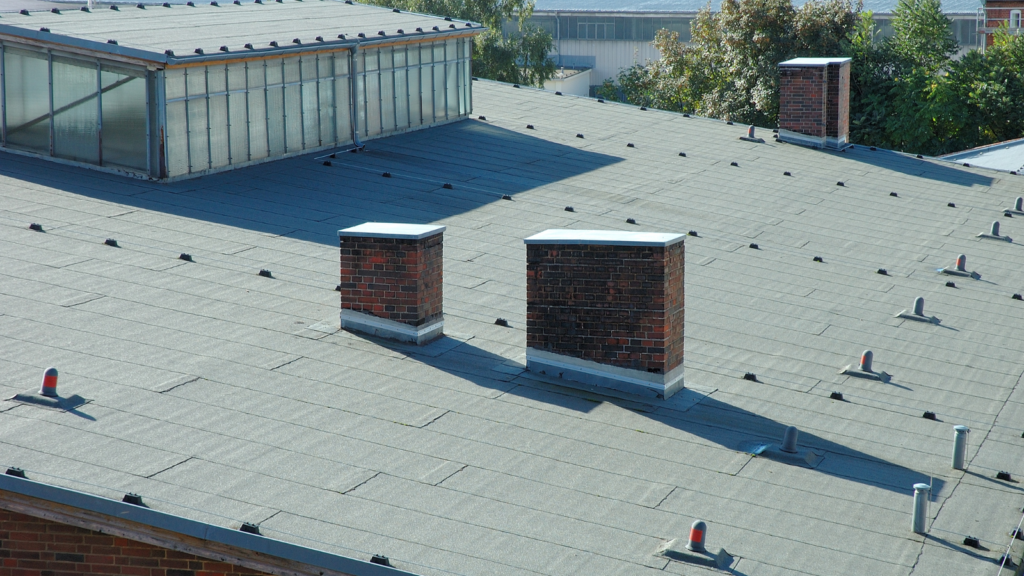
A commercial roof is one of the most valuable assets on any business property. Whether covering an office building, retail center, warehouse, manufacturing facility, or multi-family property, the roof plays a critical role in protecting operations, inventory, equipment, employees, and the building itself.
Unfortunately, many property owners only address roofing concerns after a leak or major issue develops. This reactive approach often leads to higher repair costs, unexpected disruptions, and shortened roof lifespan. A more effective strategy is commercial roof asset management, which focuses on proactive maintenance, inspections, budgeting, and long-term planning.
Understanding commercial roof management helps property owners maximize the value of their roofing investment while reducing the risk of costly surprises. Even homeowners who own rental properties, mixed-use buildings, or commercial real estate investments can benefit from learning how proper roof management protects property value.
What Is Commercial Roof Asset Management?
Commercial roof asset management is the process of monitoring, maintaining, inspecting, and planning for the long-term performance of a commercial roofing system.
Rather than waiting for problems to occur, commercial roof management focuses on:
- Regular inspections
- Preventative maintenance
- Repair planning
- Budget forecasting
- Condition assessments
- Documentation tracking
The goal is to maximize roof lifespan while minimizing unexpected expenses.
Why Commercial Roofs Are Major Investments
Commercial roofing systems often represent a significant financial investment.
Commercial roofs protect:
- Building structures
- Equipment
- Inventory
- Employees
- Tenants
- Customers
Replacing a commercial roof can be a substantial expense, making proactive commercial roof management an important financial strategy.
When properly maintained, commercial roofs often last significantly longer than neglected systems.
Benefits of Commercial Roof Management
A structured roof management program offers numerous advantages.
Extended Roof Lifespan
Routine inspections and maintenance help roofing systems reach or exceed their expected service life.
Lower Repair Costs
Small problems are addressed before they become major issues.
Better Budget Planning
Property owners can anticipate future expenses rather than facing unexpected emergency costs.
Reduced Business Disruptions
Preventative maintenance helps minimize leaks and operational interruptions.
Improved Property Value
Well-maintained roofs contribute to stronger building value and buyer confidence.
These benefits make commercial roof management a valuable long-term investment.
Understanding Commercial Roofing Systems
Commercial buildings often use different roofing materials than residential homes.
Common commercial roofing systems include:
- TPO roofing
- EPDM roofing
- PVC roofing
- Modified bitumen
- Built-up roofing
- Metal roofing systems
Each roofing type has unique maintenance requirements, making customized commercial roof management plans important.
The Importance of Regular Roof Inspections
Inspections form the foundation of effective roof asset management.
Professional inspections help identify:
- Membrane damage
- Ponding water
- Flashing issues
- Drainage concerns
- Storm damage
- Surface deterioration
Most commercial roofing professionals recommend inspections:
- Twice per year
- After severe weather events
- Before major building renovations
Regular inspections allow property owners to address issues early.
Roof Condition Assessments
A roof condition assessment provides a detailed evaluation of the roof’s overall health.
During an assessment, contractors examine:
- Roof age
- Material condition
- Structural integrity
- Moisture intrusion
- Existing repairs
- Expected remaining lifespan
These assessments help guide commercial roof management decisions and future budgeting plans.
Preventative Maintenance Programs
Preventative maintenance is one of the most valuable components of commercial roof asset management.
Maintenance activities may include:
- Debris removal
- Drain cleaning
- Flashing repairs
- Sealant replacement
- Minor membrane repairs
- Roof surface cleaning
Routine maintenance often costs significantly less than major repairs or premature replacement.
Why Small Problems Become Large Problems
Many commercial roof failures begin as minor issues.
Examples include:
- Small punctures
- Loose flashing
- Minor membrane damage
- Clogged drains
Without proper commercial roof management, these seemingly minor concerns may lead to:
- Leaks
- Mold growth
- Structural damage
- Insulation deterioration
- Interior property damage
Early intervention is key to reducing long-term costs.
Managing Roof Drainage Systems
Commercial roofs often rely on drainage systems to prevent water accumulation.
Drainage components may include:
- Internal drains
- Scuppers
- Gutters
- Downspouts
Poor drainage can contribute to:
- Ponding water
- Roof membrane damage
- Structural stress
- Premature aging
Drainage inspections are an essential part of effective commercial roof management.
The Dangers of Ponding Water
Ponding water occurs when water remains on a roof surface for extended periods.
Potential consequences include:
- Membrane deterioration
- Increased roof loads
- Leak development
- Mold growth
Addressing drainage issues promptly helps prevent these problems from escalating.
Storm Damage Monitoring
Illinois weather can expose commercial roofs to:
- High winds
- Hail
- Heavy rain
- Snow accumulation
After severe weather events, inspections help identify:
- Membrane punctures
- Wind uplift damage
- Flashing displacement
- Hidden moisture intrusion
Storm response is a critical part of commercial roof management because damage is not always immediately visible.
Roof Documentation and Record Keeping
Accurate documentation supports better roof management decisions.
Property owners should maintain records of:
- Inspections
- Repairs
- Maintenance activities
- Warranty information
- Contractor reports
Detailed records help track roof performance over time and support future planning.
Budget Planning and Forecasting
One of the major benefits of commercial roof management is improved financial planning.
Rather than facing unexpected roof replacement costs, property owners can:
- Forecast future expenses
- Schedule repairs strategically
- Plan replacement timelines
- Allocate maintenance budgets
Predictable budgeting improves financial stability and reduces surprises.
Understanding Roof Life Cycles
Every commercial roof has a finite lifespan.
Factors affecting longevity include:
- Material type
- Installation quality
- Weather exposure
- Maintenance consistency
- Drainage performance
Asset management helps maximize roof lifespan through proactive care and timely repairs.
Energy Efficiency and Roof Performance
Commercial roofs affect building energy efficiency.
Well-maintained roofing systems help:
- Improve insulation performance
- Reduce HVAC strain
- Lower utility costs
- Maintain indoor comfort
Some roof management programs also evaluate opportunities for energy-efficient upgrades.
Protecting Building Occupants
Roof leaks can affect more than just the building itself.
Water intrusion may impact:
- Employees
- Customers
- Tenants
- Equipment
- Inventory
Strong commercial roof management helps protect everyone inside the building while reducing liability concerns.
Warranty Protection Considerations
Many commercial roofing warranties require regular inspections and maintenance.
Failure to maintain the roof properly may:
- Void warranty coverage
- Reduce claim eligibility
- Increase owner responsibility for repairs
Following manufacturer maintenance recommendations helps preserve warranty protections.
Technology and Modern Roof Management
Some commercial property owners now use technology to support asset management efforts.
Tools may include:
- Roof condition databases
- Inspection software
- Moisture detection equipment
- Drone inspections
These technologies provide valuable information for long-term planning.
Repair vs. Replacement Decisions
One of the most common challenges in commercial roof management is deciding whether to repair or replace the roof.
Factors influencing this decision include:
- Roof age
- Repair frequency
- Extent of damage
- Budget considerations
- Remaining lifespan
Professional assessments help property owners determine the most cost-effective approach.
The Role of Professional Roofing Contractors
Experienced roofing professionals play a vital role in roof asset management.
Contractors provide:
- Inspections
- Maintenance services
- Repair recommendations
- Condition reports
- Replacement planning
Professional expertise helps ensure roofing systems receive appropriate care throughout their lifespan.
Common Commercial Roof Problems
Some of the most common issues identified during inspections include:
- Ponding water
- Flashing failures
- Membrane punctures
- Drainage blockages
- Storm damage
- Sealant deterioration
Routine commercial roof management helps address these issues before they lead to larger structural concerns.
Multi-Property Management Considerations
Owners managing multiple commercial properties often benefit even more from structured roof management programs.
Centralized tracking allows owners to:
- Compare roof conditions
- Prioritize repairs
- Coordinate budgets
- Schedule maintenance efficiently
This approach improves consistency across property portfolios.
Why Reactive Maintenance Costs More
Waiting until leaks develop often increases costs significantly.
Reactive repairs may involve:
- Emergency service fees
- Interior damage restoration
- Business interruptions
- Structural repairs
Proactive commercial roof management helps avoid these additional expenses.
Long-Term Asset Protection
A commercial roof should be viewed as a valuable asset rather than simply a building component.
Asset management focuses on:
- Preserving value
- Extending service life
- Improving reliability
- Supporting business continuity
Long-term planning helps maximize return on investment.
Why Illinois Weather Makes Roof Management Important
Commercial roofs in Illinois face:
- Snow and ice
- Heavy rain
- Windstorms
- Seasonal temperature changes
These weather conditions place ongoing stress on roofing systems.
Regular inspections and maintenance help roofs perform more effectively throughout the year.
Final Thoughts on Commercial Roof Management
Commercial roofing systems represent a significant investment that deserves proactive care and strategic planning. Through inspections, maintenance, documentation, and long-term budgeting, commercial roof management helps property owners maximize roof lifespan, reduce repair costs, and protect valuable building assets.
Rather than waiting for problems to occur, a structured management approach allows property owners to identify issues early, improve financial planning, and reduce the risk of costly disruptions. Whether managing a single commercial property or a larger portfolio, proactive roof asset management supports both property value and operational stability.
