

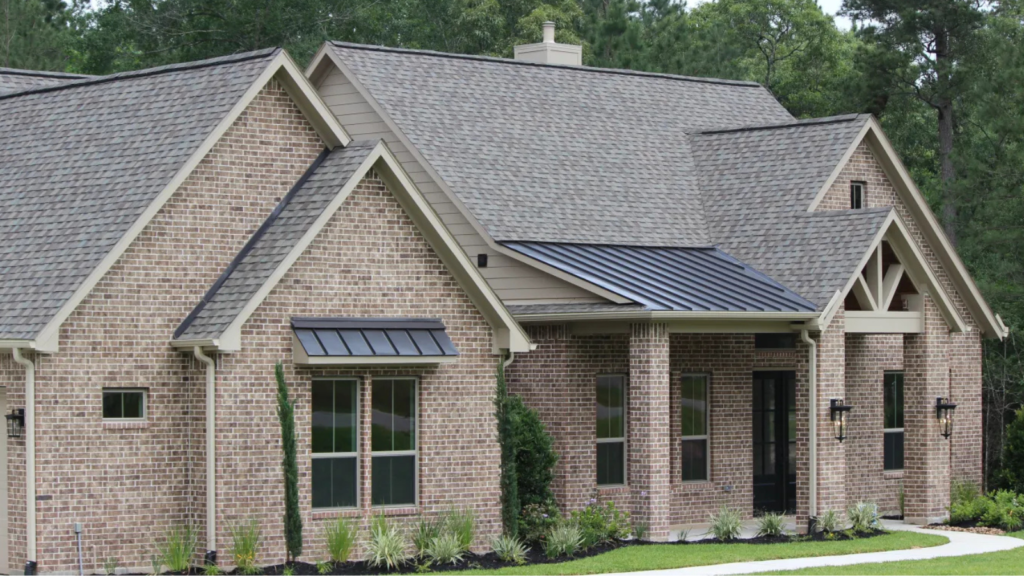
Your roof is one of the most important parts of your home. It protects your family, belongings, insulation, and structural systems from rain, wind, snow, heat, and changing weather conditions throughout the year. Because roofing systems constantly face environmental exposure, regular maintenance is essential for long-term performance.
Many homeowners only think about roofing when leaks or visible damage appear, but preventative care plays a major role in extending roof lifespan and reducing expensive repair costs. Small issues that are ignored can eventually develop into serious structural problems requiring major repairs or premature roof replacement.
For homeowners in Brighton, Illinois, where roofs face seasonal storms, snow, humidity, and fluctuating temperatures, proper residential roof maintenance is especially important. This guide explains practical maintenance tips that help protect your roofing system and improve long-term durability.
Why Residential Roof Maintenance Matters
Your roofing system is constantly exposed to outdoor conditions that gradually wear down materials over time. Wind, rain, hail, UV exposure, snow, and moisture can all contribute to roofing deterioration.
Routine residential roof maintenance helps:
- Prevent leaks
- Reduce repair costs
- Improve energy efficiency
- Extend roof lifespan
- Protect structural integrity
- Maintain property value
- Improve weather resistance
Homeowners who invest in preventative maintenance often avoid larger roofing emergencies later.
Schedule Regular Roof Inspections
One of the most important parts of residential roof maintenance is scheduling regular inspections.
Professional roof inspections help identify:
- Loose shingles
- Flashing damage
- Moisture intrusion
- Ventilation problems
- Storm damage
- Gutter issues
- Structural concerns
Many roofing issues begin as small hidden problems that are difficult for homeowners to notice from the ground.
Most roofing professionals recommend inspections:
- Once per year
- After major storms
- Before buying or selling a home
- When signs of leaks appear
Routine inspections help catch problems early before they become more expensive.
Keep Gutters Clean
Gutters play an important role in protecting the roof and foundation by directing water away from the home.
Clogged gutters can lead to:
- Water overflow
- Roof edge damage
- Fascia rot
- Ice dams
- Moisture intrusion
Regular gutter cleaning is an essential part of residential roof maintenance because standing water can quickly damage roofing materials.
Homeowners should remove:
- Leaves
- Branches
- Dirt
- Debris
- Pest nests
Keeping gutters clean improves drainage and reduces moisture-related roofing issues.
Trim Overhanging Tree Branches
Trees provide shade and curb appeal, but overhanging branches can create roofing risks.
Branches may:
- Scratch shingles
- Trap moisture
- Drop debris
- Break during storms
- Damage flashing
Tree trimming helps reduce physical roof damage and improves airflow around the roofing system.
When homeowners prioritize residential roof maintenance, tree care should always be included in seasonal property upkeep.
Check for Missing or Damaged Shingles
Shingles protect the roof from moisture and weather exposure. Over time, shingles may:
- Crack
- Curl
- Loosen
- Fade
- Blow off during storms
Missing or damaged shingles expose the roof to leaks and structural damage.
Homeowners performing residential roof maintenance should periodically inspect the roof from the ground for visible damage, especially after storms.
Addressing shingle problems early helps prevent larger repairs later.
Inspect Roof Flashing
Flashing protects vulnerable roof areas around:
- Chimneys
- Skylights
- Vents
- Roof valleys
- Plumbing penetrations
Flashing damage is one of the most common causes of roof leaks.
During residential roof maintenance, flashing should be checked for:
- Cracks
- Rust
- Loose sections
- Missing sealant
- Separation gaps
Repairing flashing issues quickly helps maintain water resistance and roof integrity.
Watch for Signs of Roof Leaks
Leaks are among the most serious roofing problems homeowners can face.
Signs of leaks may include:
- Ceiling stains
- Peeling paint
- Mold growth
- Damp insulation
- Musty odors
- Water spots in the attic
Leak prevention is a major goal of residential roof maintenance because moisture intrusion can damage insulation, drywall, wood framing, and interior finishes.
Early leak detection helps minimize repair costs and prevent structural damage.
Maintain Proper Roof Ventilation
Ventilation plays a critical role in roofing performance and lifespan.
Poor attic ventilation may lead to:
- Excessive heat buildup
- Moisture accumulation
- Mold growth
- Ice dams
- Premature shingle aging
Proper ventilation supports healthy airflow and temperature regulation throughout the attic.
As part of effective residential roof maintenance, homeowners should ensure attic vents remain unobstructed and functioning properly.
Prevent Ice Dams During Winter
Illinois winters can create ice dam risks when warm attic air melts roof snow, which then refreezes near roof edges.
Ice dams may cause:
- Water intrusion
- Shingle damage
- Gutter stress
- Ceiling leaks
Preventing ice dams is an important part of residential roof maintenance in colder climates.
Homeowners can reduce risks by:
- Improving attic insulation
- Maintaining ventilation
- Cleaning gutters
- Addressing attic air leaks
Balanced attic temperatures help reduce snow melting and refreezing cycles.
Remove Debris From the Roof
Leaves, sticks, and debris can trap moisture against roofing materials.
Debris buildup may contribute to:
- Mold growth
- Shingle deterioration
- Water pooling
- Drainage issues
Routine debris removal supports healthy roofing conditions and improves moisture control.
This simple step is often overlooked during residential roof maintenance, but it can make a significant difference in roof longevity.
Address Storm Damage Quickly
Storms can cause both visible and hidden roofing damage.
After severe weather, homeowners should inspect for:
- Missing shingles
- Fallen branches
- Bent flashing
- Gutter damage
- Debris accumulation
Quick repairs help prevent small storm-related issues from becoming major structural problems.
Storm response is an important part of effective residential roof maintenance in areas with seasonal weather changes.
Monitor Attic Conditions
Attics often reveal early warning signs of roofing problems.
Homeowners should periodically check for:
- Moisture buildup
- Mold growth
- Water stains
- Condensation
- Poor airflow
Attic monitoring supports preventative residential roof maintenance by helping identify hidden concerns before visible interior damage develops.
Avoid DIY Roof Repairs Without Experience
Some homeowners attempt DIY roofing repairs to save money, but improper repairs can sometimes create larger issues.
Professional roofing contractors provide:
- Proper safety procedures
- Accurate assessments
- Correct repair methods
- Warranty protection
- Long-term roofing solutions
While basic visual monitoring is helpful, major repairs should be handled by trained professionals.
Understand Roof Aging
Even with excellent care, roofing systems naturally age over time.
Factors affecting roof lifespan include:
- Roofing material quality
- Installation quality
- Weather exposure
- Ventilation
- Maintenance consistency
Routine residential roof maintenance helps maximize the lifespan of roofing materials and delay premature replacement.
Benefits of Preventative Roof Maintenance
Preventative maintenance offers several long-term benefits.
Lower Repair Costs
Small repairs are usually far less expensive than major structural repairs or full replacement.
Extended Roof Lifespan
Proper care helps roofing materials last longer.
Improved Energy Efficiency
Well-maintained roofs support better insulation and ventilation performance.
Better Weather Protection
Routine maintenance improves the roof’s ability to withstand storms and moisture.
Stronger Property Value
Healthy roofing systems help maintain home appearance and resale value.
Create a Seasonal Roof Maintenance Routine
Many homeowners benefit from seasonal maintenance checklists.
Spring Maintenance
- Inspect for winter damage
- Clean gutters
- Check flashing
- Remove debris
Summer Maintenance
- Monitor ventilation
- Check for UV wear
- Inspect attic moisture
Fall Maintenance
- Remove leaves
- Trim branches
- Prepare for winter weather
Winter Maintenance
- Watch for ice dams
- Monitor attic temperatures
- Check for leaks after snowstorms
Seasonal routines help homeowners stay consistent with residential roof maintenance throughout the year.
Why Professional Roofing Support Matters
Professional roofing contractors understand how weather, ventilation, insulation, and structural systems all affect roof performance.
Experienced contractors can:
- Identify hidden issues
- Recommend preventative solutions
- Perform safe repairs
- Improve roof durability
- Extend roofing lifespan
Working with professionals helps homeowners avoid overlooked problems that may worsen over time.
Final Thoughts on Residential Roof Maintenance
Your roof protects nearly every part of your home, making routine maintenance one of the most important investments homeowners can make. Consistent residential roof maintenance helps prevent leaks, reduce repair costs, improve energy efficiency, and extend the lifespan of your roofing system.
From cleaning gutters and trimming trees to inspecting flashing and monitoring attic conditions, small maintenance efforts can significantly improve long-term roofing performance.
For homeowners in Brighton, Illinois, changing seasonal weather places constant stress on residential roofs throughout the year. Staying proactive with inspections and maintenance helps ensure your roof remains durable, reliable, and prepared for future weather conditions.
