

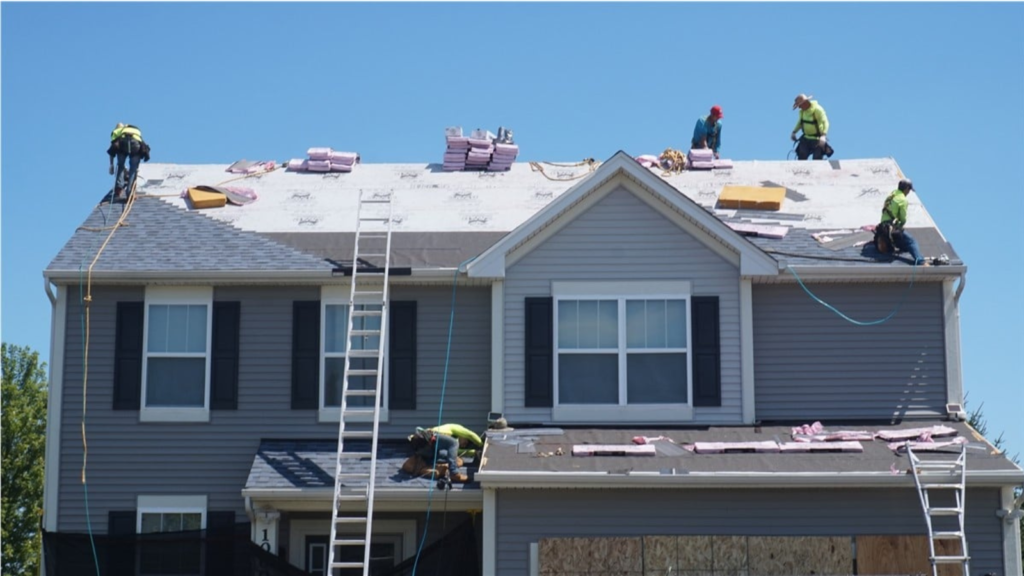
For homeowners in Brighton, Illinois, storms can cause serious damage to roofing systems. High winds, heavy rain, hail, and falling debris can weaken or break roofing materials in a short amount of time.
Understanding the storm damage restoration process helps you respond quickly and protect your home from further issues. Without proper action, even small damage can lead to leaks, structural problems, and costly repairs.
Why Immediate Action Is Important
After a storm, time is critical.
The storm damage restoration process begins with quick action to prevent further damage. Water intrusion can spread rapidly, and exposed areas of the roof can worsen with additional weather exposure.
Addressing problems early helps limit repair costs and protects your home’s structure.
Common Types Of Storm Damage
Storms can affect roofs in several ways.
Wind can lift or remove shingles. Hail can create dents or cracks in roofing materials. Heavy rain can expose weak points and lead to leaks. Falling branches can cause impact damage.
Recognizing these issues is the first step in the storm damage restoration process.
Initial Roof Inspection
The first step in the storm damage restoration process is a thorough inspection.
Homeowners can start with a visual check from the ground, looking for missing shingles or debris. A professional inspection is recommended to assess hidden damage.
This step helps identify the extent of the problem and determine the next actions.
Documenting The Damage
Proper documentation is essential, especially for insurance claims.
Take photos and notes of visible damage. Record the date of the storm and any changes noticed after the event.
This information supports the storm damage restoration process and helps ensure accurate repair planning.
Temporary Protection Measures
Before permanent repairs begin, temporary solutions may be needed.
Covering damaged areas with a tarp can prevent water from entering the home. Clearing debris helps reduce additional stress on the roof.
These steps are an important part of the storm damage restoration process while waiting for full repairs.
Contacting A Professional Contractor
Working with a qualified contractor is essential for proper restoration.
Professionals can evaluate the damage, recommend solutions, and guide you through the storm damage restoration process.
Choosing an experienced contractor ensures that repairs are completed correctly.
Insurance Claim Assistance
Many homeowners rely on insurance coverage after storm damage.
Contractors often assist with the claims process by providing inspection reports and estimates.
Understanding how insurance fits into the storm damage restoration process helps streamline repairs and reduce stress.
Detailed Damage Assessment
A detailed assessment goes beyond the initial inspection.
Contractors examine shingles, flashing, underlayment, and structural components. They identify areas that require repair or replacement.
This step ensures that the storm damage restoration process addresses all issues, not just visible damage.
Repair Vs Replacement Decisions
Not all damage requires a full roof replacement.
Minor issues may be repaired, while extensive damage may require replacing large sections or the entire roof.
Determining the right approach is a key part of the storm damage restoration process.
Roof Repair Process
If damage is limited, repairs may be sufficient.
This can include replacing shingles, fixing flashing, and sealing leaks.
Proper repairs restore the roof’s integrity and are an important stage in the storm damage restoration process.
Roof Replacement Process
In cases of severe damage, replacement may be necessary.
This involves removing damaged materials, inspecting the underlying structure, and installing new roofing components.
A full replacement ensures long term protection as part of the storm damage restoration process.
Final Inspection And Quality Check
After repairs or replacement, a final inspection is conducted.
This ensures that all work meets safety and quality standards.
Completing this step is essential in the storm damage restoration process to confirm that the roof is fully restored.
Preventing Future Storm Damage
Prevention can reduce the impact of future storms.
Regular maintenance, proper installation, and quality materials all contribute to a stronger roof.
Incorporating prevention into the storm damage restoration process helps protect your home long term.
Maintenance After Restoration
Ongoing maintenance keeps your roof in good condition.
Regular inspections, cleaning gutters, and addressing minor issues quickly can extend the life of your roof.
Maintenance is a key follow up step in the storm damage restoration process.
How Storm Damage Affects Home Value
Roof condition plays a major role in property value.
A properly restored roof improves curb appeal and reassures potential buyers.
Completing the storm damage restoration process correctly helps maintain or increase your home’s value.
Common Mistakes To Avoid
Some homeowners delay repairs or attempt temporary fixes without professional help.
Others may overlook hidden damage that can worsen over time.
Avoiding these mistakes ensures a successful storm damage restoration process.
Choosing The Right Roofing Materials
Material selection can impact durability and performance.
Options such as impact resistant shingles can provide better protection against future storms.
Choosing the right materials strengthens the storm damage restoration process and improves long term results.
Final Thoughts For Brighton Homeowners
Storm damage can be stressful, but understanding the process makes it easier to manage.
By following the storm damage restoration process, you can protect your home, reduce repair costs, and restore your roof effectively.
Taking the right steps ensures your home remains safe and secure after severe weather.
Need Help With Storm Damage Restoration
Contact us today to restore your roof and protect your home with confidence.
