

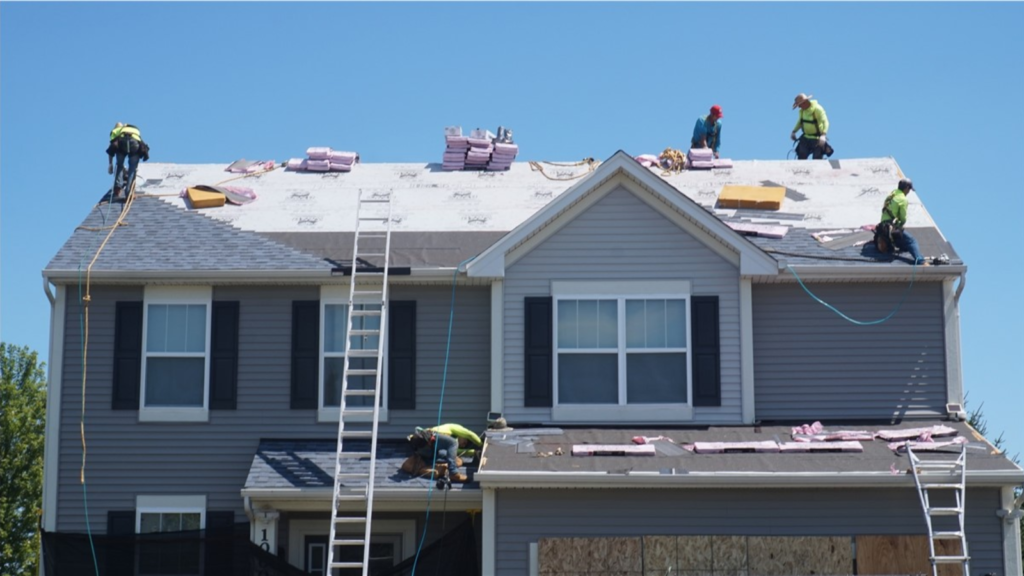
A roof is one of the most important components of any home. It protects your family, belongings, and the structure itself from rain, wind, snow, heat, and changing weather conditions throughout the year. While routine maintenance and repairs can extend a roof’s lifespan, there comes a point when replacement becomes the most practical and cost-effective solution.
For many homeowners, replacing a roof can seem overwhelming. Questions about timing, costs, materials, installation, and project duration often arise. Understanding the roof replacement process can help homeowners feel more confident and prepared when it is time for a new roofing system.
For homeowners in Brighton, Illinois, where roofs must withstand seasonal storms, temperature fluctuations, snow, and heavy rain, knowing what to expect during a roof replacement project is an important part of protecting your home investment.
When Is Roof Replacement Necessary?
Before beginning the roof replacement process, homeowners must determine whether replacement is truly needed.
Common signs that a roof may require replacement include:
- Frequent leaks
- Missing shingles
- Curling shingles
- Extensive storm damage
- Granule loss
- Sagging roof sections
- Water damage in the attic
- Roof age exceeding expected lifespan
While some roofing issues can be repaired, widespread deterioration often makes replacement the better long-term solution.
Step 1: Professional Roof Inspection
The first step in the roof replacement process is a professional roof inspection.
Roofing contractors evaluate:
- Shingle condition
- Flashing integrity
- Ventilation systems
- Roof decking
- Structural components
- Moisture damage
- Storm-related issues
The inspection helps determine whether repairs are sufficient or if full replacement is recommended.
For Brighton homeowners, inspections are especially important after severe storms or as roofs approach the end of their expected lifespan.
Step 2: Reviewing Roofing Options
Once replacement is recommended, homeowners review available roofing materials and design options.
Popular roofing choices include:
- Asphalt shingles
- Architectural shingles
- Metal roofing
- Impact-resistant roofing products
During this stage of the roof replacement process, homeowners may also select:
- Roofing colors
- Shingle styles
- Ventilation upgrades
- Gutter improvements
Choosing materials that perform well in Illinois weather conditions is an important part of the decision-making process.
Step 3: Receiving an Estimate
After evaluating the roof, contractors provide a detailed estimate.
The estimate typically includes:
- Material costs
- Labor costs
- Project scope
- Timeline expectations
- Warranty information
- Cleanup procedures
A professional estimate gives homeowners a clear understanding of what the roof replacement process will involve before work begins.
Step 4: Scheduling the Project
After approving the proposal, the roofing project is scheduled.
Scheduling may depend on:
- Weather conditions
- Material availability
- Contractor workload
- Seasonal demand
Most contractors coordinate project dates with homeowners to minimize disruption and ensure proper preparation.
Step 5: Material Delivery
Before installation begins, roofing materials are delivered to the property.
Materials may include:
- Shingles
- Underlayment
- Flashing
- Fasteners
- Ventilation components
- Roofing accessories
Deliveries are typically scheduled shortly before installation begins.
Proper staging helps keep the roof replacement process organized and efficient.
Step 6: Property Preparation
Before removing the old roof, contractors prepare the property.
Preparation may include:
- Protecting landscaping
- Covering sensitive areas
- Positioning debris containers
- Establishing safety zones
Homeowners may also be advised to:
- Move vehicles
- Remove fragile wall decorations
- Secure outdoor furniture
Preparation helps reduce the risk of accidental damage during construction.
Step 7: Removing the Existing Roof
The next stage of the roof replacement process involves removing old roofing materials.
Contractors typically remove:
- Existing shingles
- Underlayment
- Damaged flashing
- Worn roofing components
This step allows the roofing team to inspect the roof structure beneath the surface.
Removing old materials creates a clean foundation for the new roof system.
Step 8: Inspecting Roof Decking
After the old roof is removed, contractors inspect the roof decking.
The decking serves as the structural base beneath roofing materials.
Inspectors look for:
- Soft spots
- Rotting wood
- Moisture damage
- Structural weakness
If damaged decking is discovered, repairs are completed before installation continues.
This is one of the most important stages of the roof replacement process because hidden structural issues must be addressed before new roofing materials are installed.
Step 9: Installing Underlayment
Underlayment is installed over the roof decking before shingles are applied.
The underlayment provides:
- Additional moisture protection
- Water resistance
- Backup leak protection
Modern underlayment systems help improve roof durability and weather resistance.
In areas vulnerable to moisture accumulation, additional waterproofing materials may also be installed.
Step 10: Installing Flashing
Flashing protects vulnerable roof areas where leaks commonly occur.
Flashing is installed around:
- Chimneys
- Roof valleys
- Skylights
- Vents
- Roof edges
Proper flashing installation is essential for long-term roofing performance.
During the roof replacement process, contractors carefully inspect and replace flashing components as needed.
Step 11: Installing New Roofing Materials
Once the roof is prepared, installation of the new roofing system begins.
Depending on the material selected, installation may include:
- Asphalt shingles
- Metal panels
- Ridge caps
- Starter strips
- Ventilation components
Professional installation helps ensure:
- Proper water shedding
- Wind resistance
- Long-term durability
- Manufacturer warranty compliance
This stage is often the most visible part of the roof replacement process.
Step 12: Roof Ventilation Upgrades
Proper ventilation is critical for roof performance.
Ventilation systems help:
- Reduce attic heat
- Control moisture
- Improve energy efficiency
- Extend roof lifespan
During replacement projects, contractors may recommend:
- Ridge vents
- Intake vents
- Exhaust ventilation improvements
Ventilation upgrades often provide long-term performance benefits.
Step 13: Final Inspection
After installation is complete, contractors conduct a final inspection.
The final review verifies:
- Proper installation
- Flashing placement
- Ventilation performance
- Shingle alignment
- Overall workmanship
A final inspection helps ensure the roof replacement process has been completed according to industry standards and manufacturer requirements.
Step 14: Cleanup and Debris Removal
Professional roofing contractors perform a thorough cleanup after installation.
Cleanup typically includes:
- Removing old materials
- Collecting nails
- Cleaning gutters
- Removing debris
- Inspecting surrounding areas
Many contractors use magnetic tools to collect stray nails around the property.
Cleanup is an important final step in the roof replacement process.
How Long Does a Roof Replacement Take?
Project timelines vary depending on:
- Roof size
- Roof complexity
- Weather conditions
- Material type
- Structural repairs required
Most residential roof replacements can often be completed within one to several days.
Larger or more complex projects may require additional time.
Weather Delays and Scheduling Considerations
Weather plays a major role in roofing projects.
Heavy rain, snow, strong winds, or severe storms may delay portions of the roof replacement process.
Professional contractors closely monitor weather forecasts to ensure safe installation conditions.
Common Questions Homeowners Ask
Will My Home Be Protected During Replacement?
Professional contractors use protective measures and scheduling practices to minimize exposure during installation.
Is Roof Replacement Noisy?
Roof replacement can generate noticeable noise during material removal and installation.
Can I Stay Home During the Project?
Most homeowners remain at home during roofing projects, although some prefer to leave during peak construction activity.
Will Landscaping Be Protected?
Reputable contractors take steps to protect landscaping and surrounding property whenever possible.
Benefits of Replacing an Aging Roof
A new roof provides several advantages.
Improved Protection
New roofing materials offer better resistance to weather and moisture.
Better Energy Efficiency
Modern roofing systems often improve ventilation and insulation performance.
Enhanced Curb Appeal
A new roof can significantly improve a home’s appearance.
Increased Property Value
Roof replacement may positively influence resale value and buyer confidence.
Reduced Maintenance
New roofing systems generally require fewer repairs compared to aging roofs.
Importance of Choosing a Professional Roofing Contractor
The success of the roof replacement process depends heavily on contractor experience and workmanship.
Professional roofing contractors provide:
- Accurate inspections
- Quality materials
- Proper installation
- Warranty support
- Safety compliance
Choosing an experienced roofing company helps ensure long-term roof performance and peace of mind.
Roof Replacement vs. Roof Repair
Some homeowners wonder whether repairs are sufficient.
Repairs may be appropriate when:
- Damage is isolated
- Roofing materials remain in good condition
- Structural components are sound
Replacement is often recommended when:
- Damage is widespread
- Roof age is advanced
- Multiple repairs are becoming necessary
A professional evaluation helps determine the most cost-effective solution.
Final Thoughts on the Roof Replacement Process
Replacing a roof is one of the most significant home improvement projects homeowners may undertake, but understanding the roof replacement process makes the experience much less intimidating. From the initial inspection and material selection to installation, cleanup, and final inspection, each stage plays an important role in creating a durable, reliable roofing system.
For homeowners in Brighton, Illinois, weather conditions can place significant demands on roofing systems throughout the year. Investing in a professionally installed roof helps protect your home, improve energy efficiency, and provide long-term peace of mind.
At All-Terior Construction, homeowners receive expert guidance throughout every stage of the roof replacement process, from inspection and planning to installation and final cleanup. With quality craftsmanship and dependable service, homeowners can feel confident their new roof is built to protect their home for years to come.
