

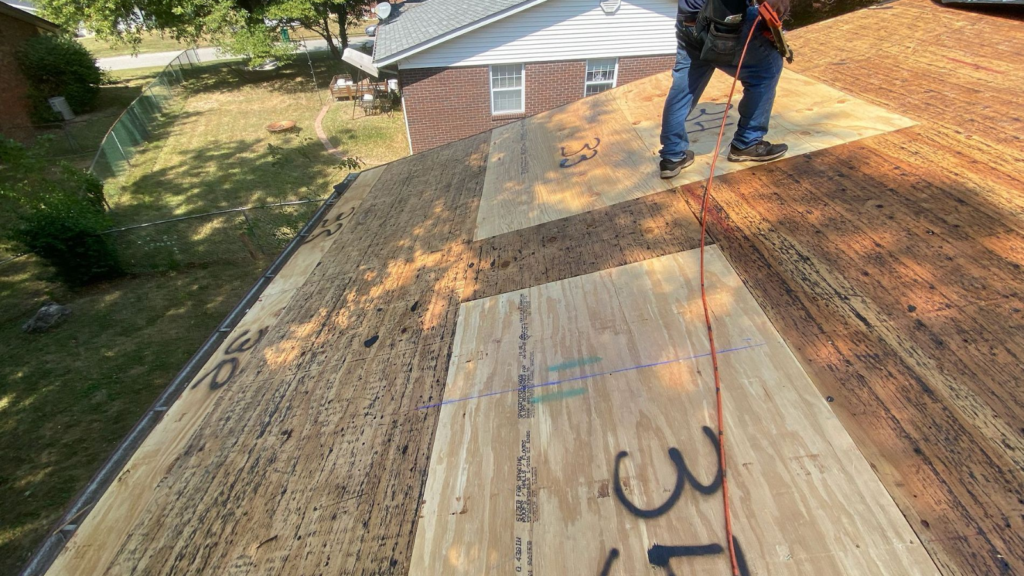
Severe weather is a reality for homeowners in Brighton, Illinois. High winds, hail, heavy rain, and severe storms can take a significant toll on roofing systems. While obvious issues such as missing shingles often prompt immediate action, many forms of untreated storm damage remain hidden and continue to worsen over time.
Ignoring even minor roofing damage after a storm can result in costly repairs, reduced property value, and serious structural concerns. Understanding the long-term effects of untreated storm damage can help homeowners make informed decisions and protect one of their most valuable investments.
How Storm Damage Impacts Your Roof
Storms affect roofing systems in different ways depending on the weather conditions involved. Hail can bruise or crack shingles, strong winds can loosen roofing materials, and heavy rainfall can exploit even the smallest vulnerabilities.
Unfortunately, not all storm-related issues are visible from the ground. Many homeowners assume their roof is fine because there are no immediate leaks or obvious signs of damage. However, untreated storm damage often progresses slowly, creating more severe problems over months or even years.
Professional inspections after major storms are essential because they can identify hidden damage before it leads to expensive repairs.
Water Intrusion and Roof Leaks
One of the most common consequences of untreated storm damage is water intrusion. Damaged shingles, compromised flashing, or small punctures create entry points for moisture.
Initially, these leaks may seem minor. However, water can gradually seep into the roof decking, attic insulation, and interior ceilings. Over time, homeowners may notice:
- Water stains on ceilings or walls
- Peeling paint or bubbling drywall
- Damp insulation
- Dripping water during heavy rain
By the time these symptoms become visible indoors, the underlying roofing issue has often become much more extensive. Addressing storm damage promptly helps prevent water-related deterioration.
Structural Deterioration
Persistent moisture from untreated storm damage can compromise the structural integrity of your home. Roof decking and wooden support components are particularly vulnerable to prolonged water exposure.
As wood absorbs moisture, it may begin to:
- Warp or bend
- Rot and weaken
- Lose its load-bearing capacity
Structural deterioration increases safety concerns and often results in more complicated and expensive restoration projects. What could have been resolved with a simple repair may eventually require partial roof reconstruction.
Brighton homeowners can significantly reduce these risks by scheduling professional roof inspections after severe weather events.
Mold and Mildew Growth
Moisture trapped within the roofing system creates an ideal environment for mold and mildew growth. Untreated storm damage frequently leads to hidden moisture accumulation in attics, insulation, and wall cavities.
Mold growth can negatively affect indoor air quality and potentially trigger health concerns, especially for individuals with allergies, asthma, or respiratory conditions.
Signs of mold problems may include:
- Musty odors in the attic or upper floors
- Dark spots on ceilings or walls
- Increased allergy symptoms indoors
Because mold remediation can be costly, preventing moisture intrusion through timely roof repairs is often the most practical approach.
Reduced Energy Efficiency
Your roofing system plays a major role in maintaining your home’s energy efficiency. Untreated storm damage can compromise insulation performance and ventilation systems.
When insulation becomes wet or damaged, it loses its ability to regulate indoor temperatures effectively. This can result in:
- Higher heating costs during Illinois winters
- Increased cooling expenses during summer months
- Uneven temperatures throughout the home
Over time, rising utility bills may become an indirect consequence of delayed storm damage repairs. Protecting your roof helps maintain a comfortable and energy-efficient living environment.
Accelerated Roof Aging
Storm damage that remains unresolved often shortens the overall lifespan of a roofing system. Even minor hail impacts or wind damage can weaken roofing materials.
Untreated storm damage causes roofing components to deteriorate faster than they normally would. Granule loss on asphalt shingles, for example, reduces protection against ultraviolet rays and weather exposure.
As a result, homeowners may face premature roof replacement years earlier than expected. Addressing problems early helps maximize the lifespan of the existing roof and protects the original investment.
Increased Repair Costs Over Time
One of the most significant financial consequences of untreated storm damage is escalating repair costs.
A small issue that initially requires a straightforward repair can develop into a major restoration project involving:
- Roof decking replacement
- Extensive leak repairs
- Mold remediation
- Insulation replacement
- Interior ceiling and drywall repairs
Prompt action often minimizes both the extent of damage and the overall expense involved. Waiting too long usually leads to more complicated and costly solutions.
Potential Insurance Complications
Homeowners insurance policies often provide coverage for storm-related roof damage. However, delaying necessary repairs may complicate future claims.
Insurance providers may determine that ongoing deterioration resulted from neglect rather than the original storm event. In some cases, untreated storm damage can reduce the likelihood of receiving full coverage for repairs.
Documenting storm events and obtaining professional roof assessments promptly can help support insurance claims and simplify the restoration process.
Decreased Property Value
The condition of a home’s roof significantly influences its market value. Buyers and home inspectors pay close attention to roofing systems during real estate transactions.
Visible signs of untreated storm damage can raise concerns about:
- Hidden water damage
- Structural issues
- Future repair expenses
- Overall property maintenance
A neglected roof may discourage potential buyers or lead to reduced offers. Maintaining your roof after storms helps preserve both curb appeal and property value.
Why Professional Roof Inspections Matter
Because many forms of storm damage are difficult to identify without proper training, professional inspections provide valuable peace of mind.
At All-Terior Construction, experienced roofing professionals understand how Illinois weather affects residential roofing systems. Thorough inspections can uncover hidden problems before they evolve into major concerns.
Professional evaluations help homeowners:
- Identify storm-related damage early
- Prioritize necessary repairs
- Support insurance documentation
- Extend roof lifespan
- Protect their home’s structural integrity
Whether damage appears minor or significant, timely inspections are one of the best defenses against long-term roofing issues.
Protect Your Brighton Home from Untreated Storm Damage
Storms may be unavoidable, but the long-term effects of untreated storm damage don’t have to be.
Ignoring roof damage can lead to leaks, structural deterioration, mold growth, reduced energy efficiency, higher repair costs, and shortened roof lifespan. Acting quickly after severe weather allows homeowners to address small issues before they become major problems.
If your Brighton home has recently experienced severe weather, scheduling a professional roof inspection is a proactive step toward protecting your investment. Early detection and prompt repairs can save time, money, and stress while ensuring your roof continues to provide reliable protection for years to come.
